Roofing Blog for Modesto and the Central Valley
Practical roofing information based on real Legend Roofing projects throughout the Central Valley.
We write about what we actually see on roofs in Stanislaus and Merced County: heat, leaks, tile flashings, and when a repair is enough. CSLB #1067374. GAF Master Elite. Hours 7am–5pm daily.
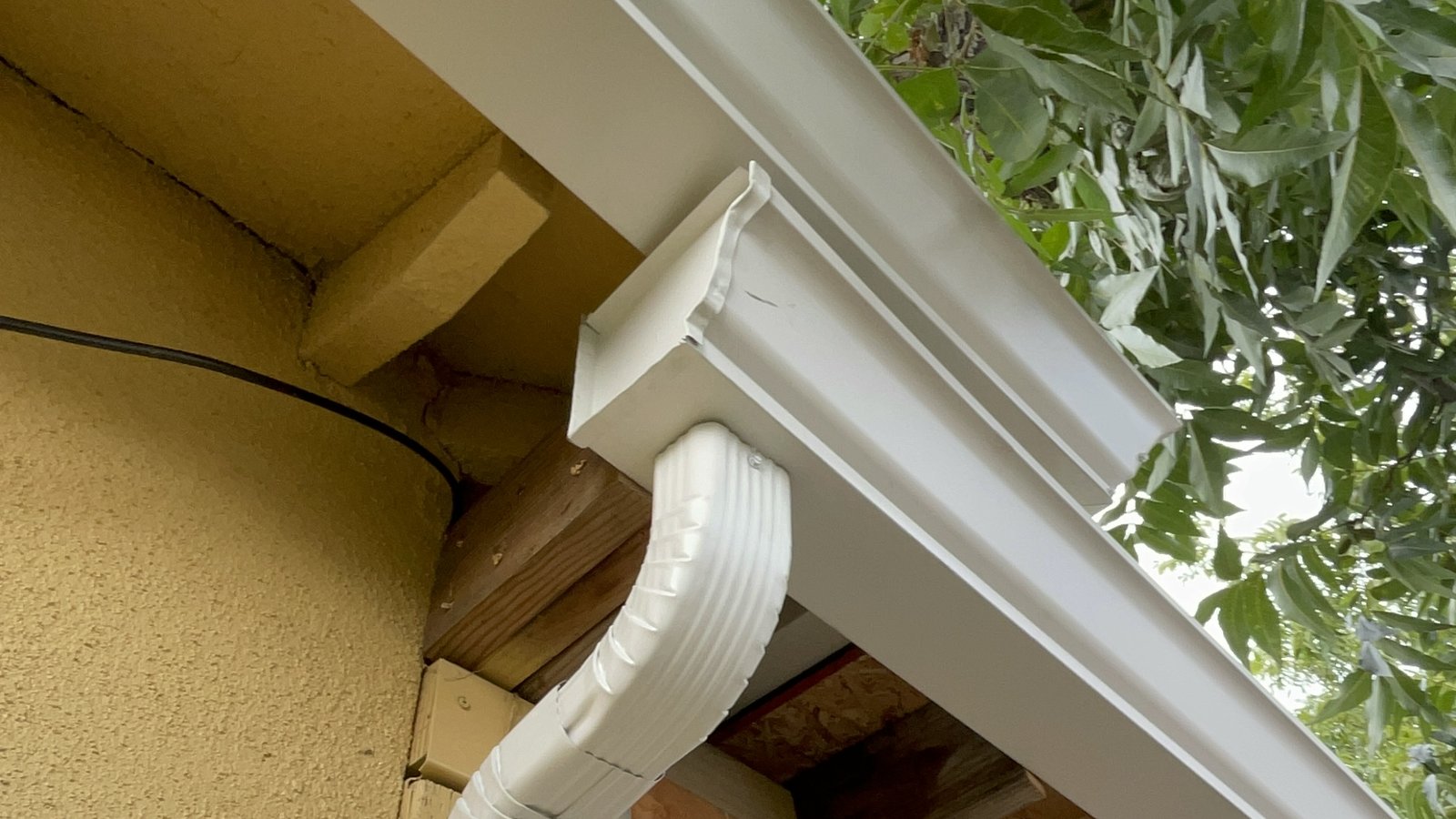
New Gutters Without a New Roof? A Modesto Guide to Clean, Repair or Replace
How to tell whether your gutters need a cleaning, a repair or a new seamless run before the rainy season, even if your roof is staying.
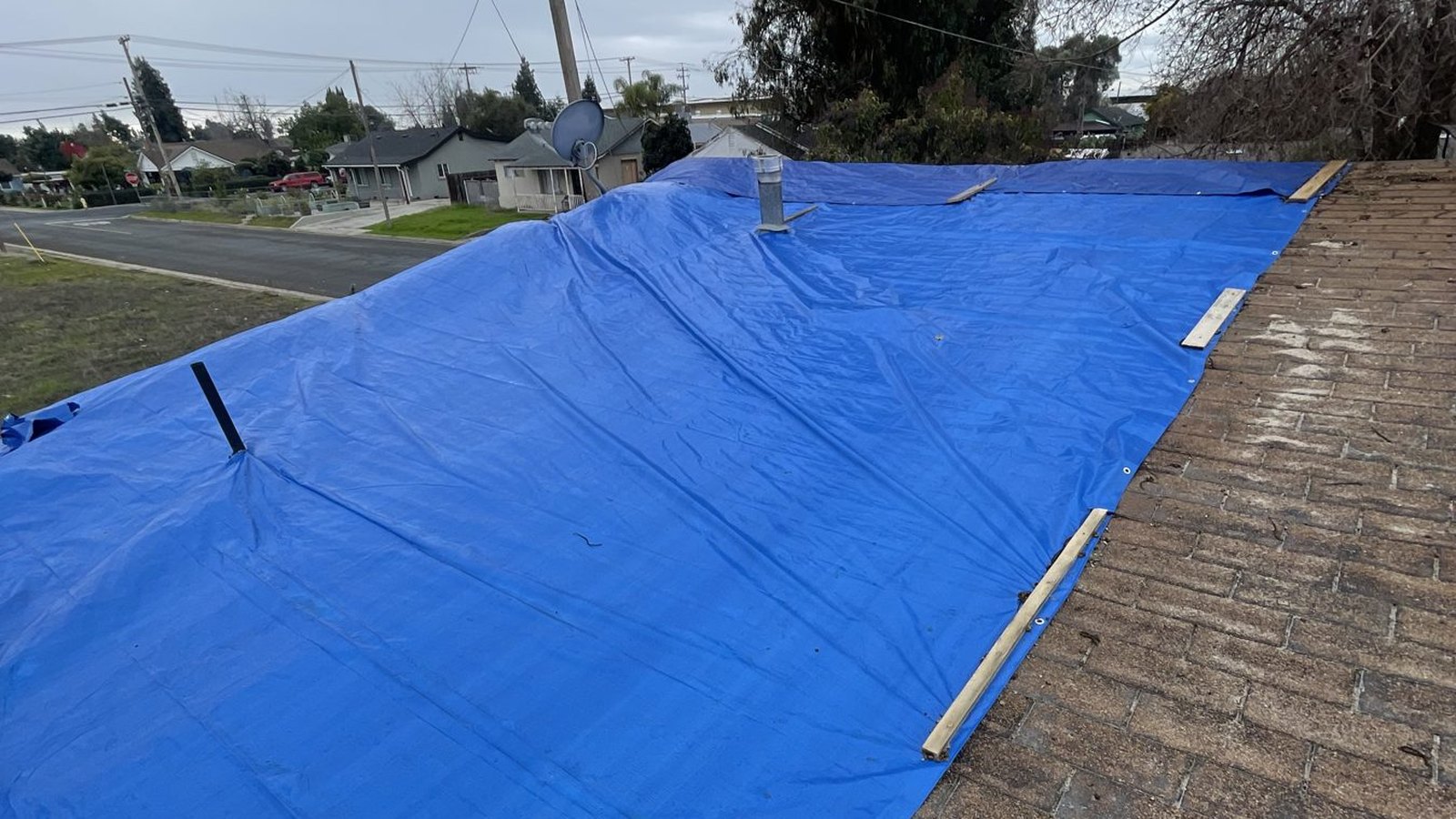
Roof Leak in the First Fall Storm? What Modesto Homeowners Should Do First
A calm first-hour plan for a roof leak, what not to do, and where first-rain leaks usually start on Central Valley homes.
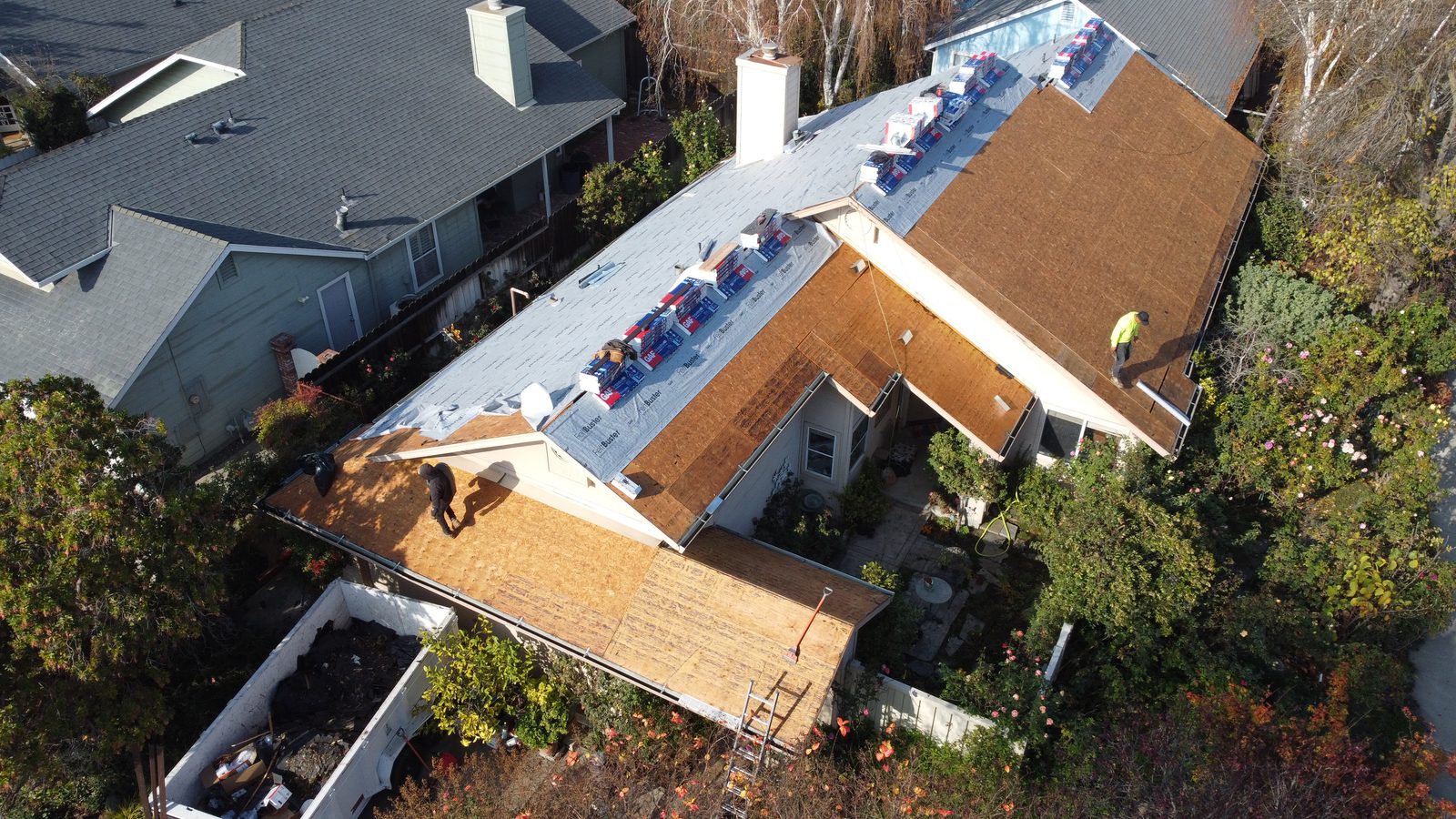
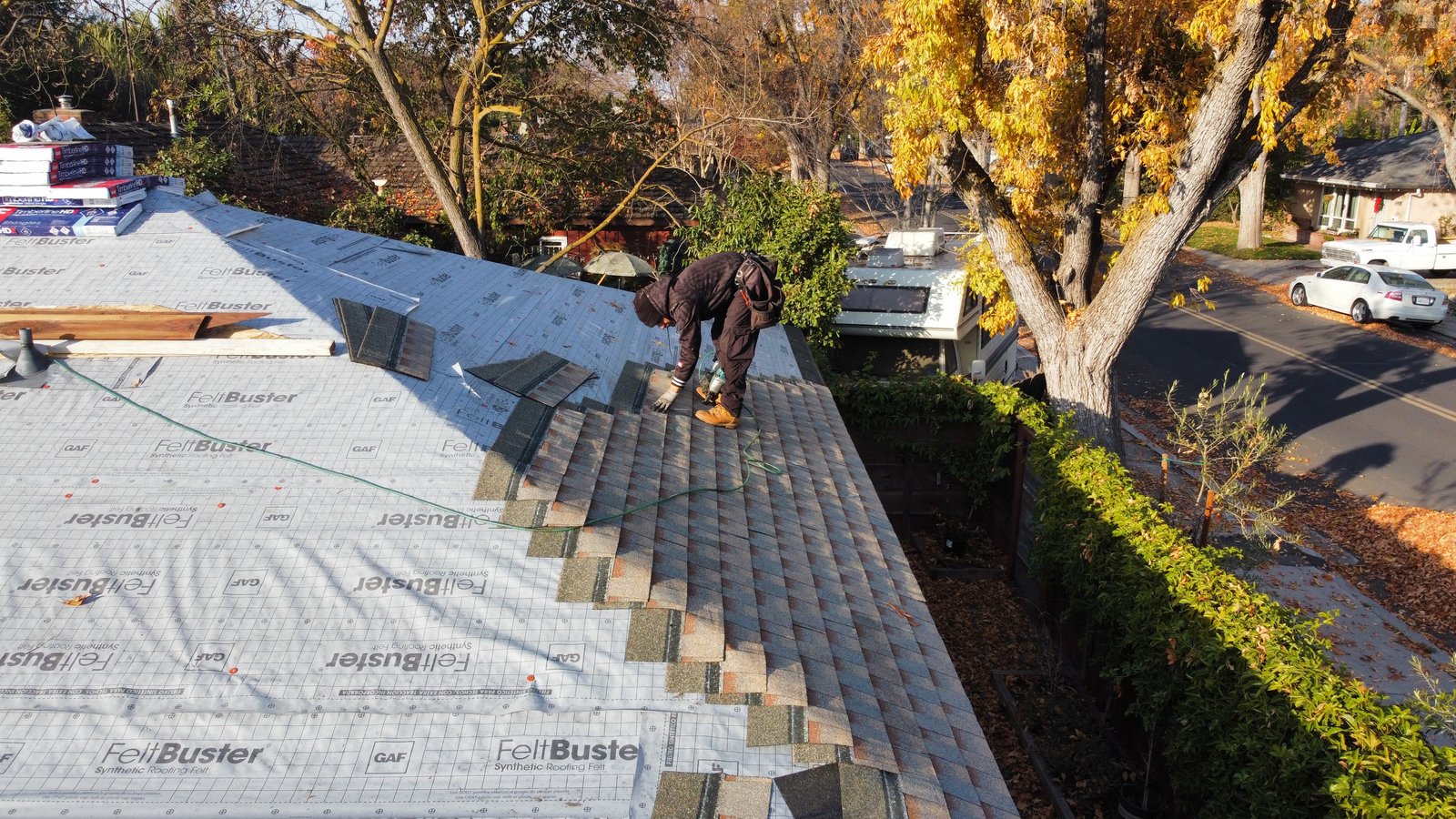
After the Tear-Off: FeltBuster Dry-In on a Modesto Roof
What happens after old shingles come off: deck check, FeltBuster dry-in, material staging, and the first courses on real Legend jobs.
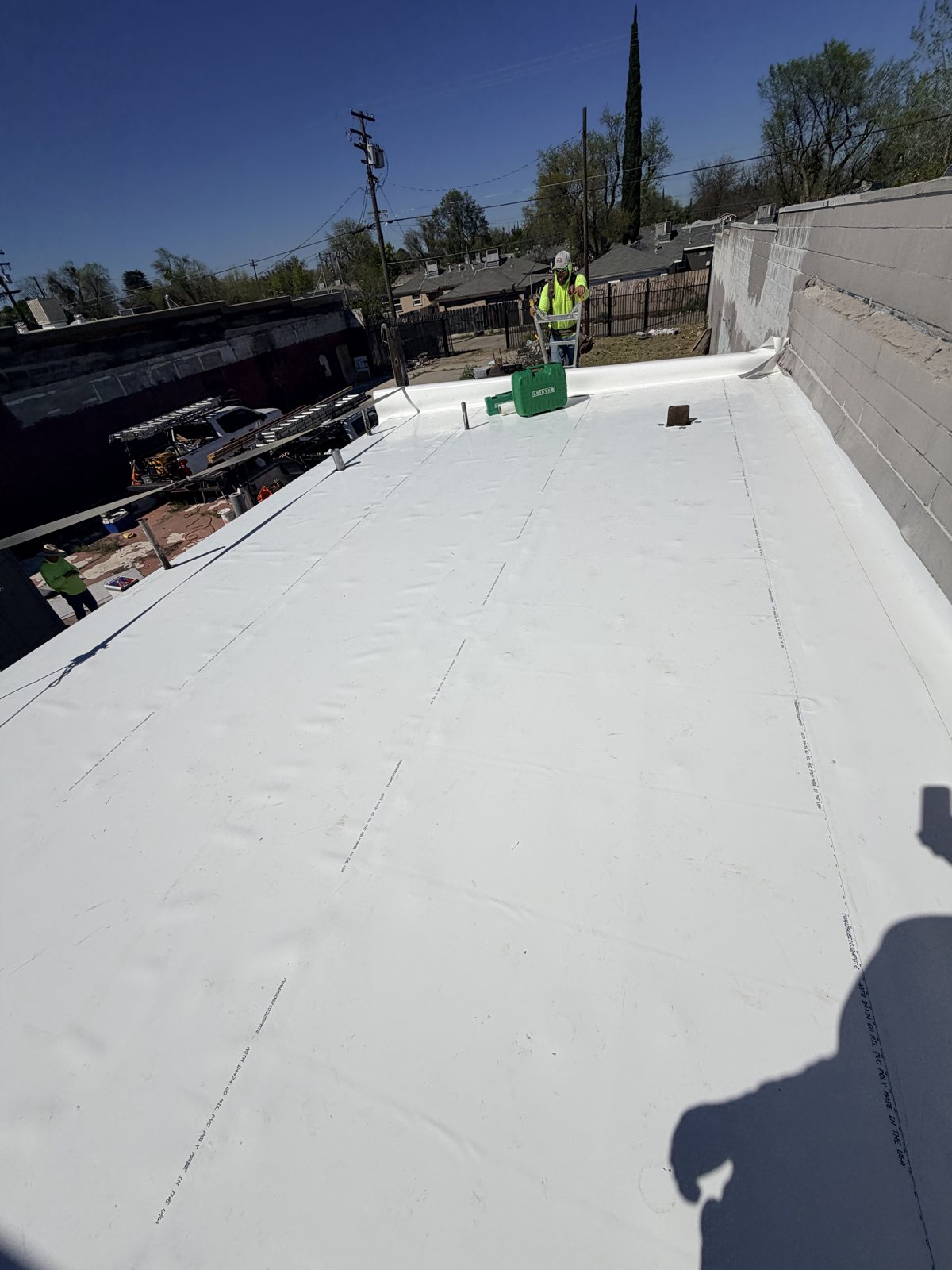
TPO Flat Roofs in Modesto: Seams, Drains and Flashings Before the Rain
How a TPO low-slope roof keeps water out, from welded seams to pipe boots and wall edges, plus a quick flat-roof check before the rain.
Cool-Roof Asphalt After a Modesto Summer: Why Reflective Colors Matter
What cool-roof asphalt means for Central Valley homes, how reflective shingle colors differ from standard ones, and what to verify before Title 24 comes up.
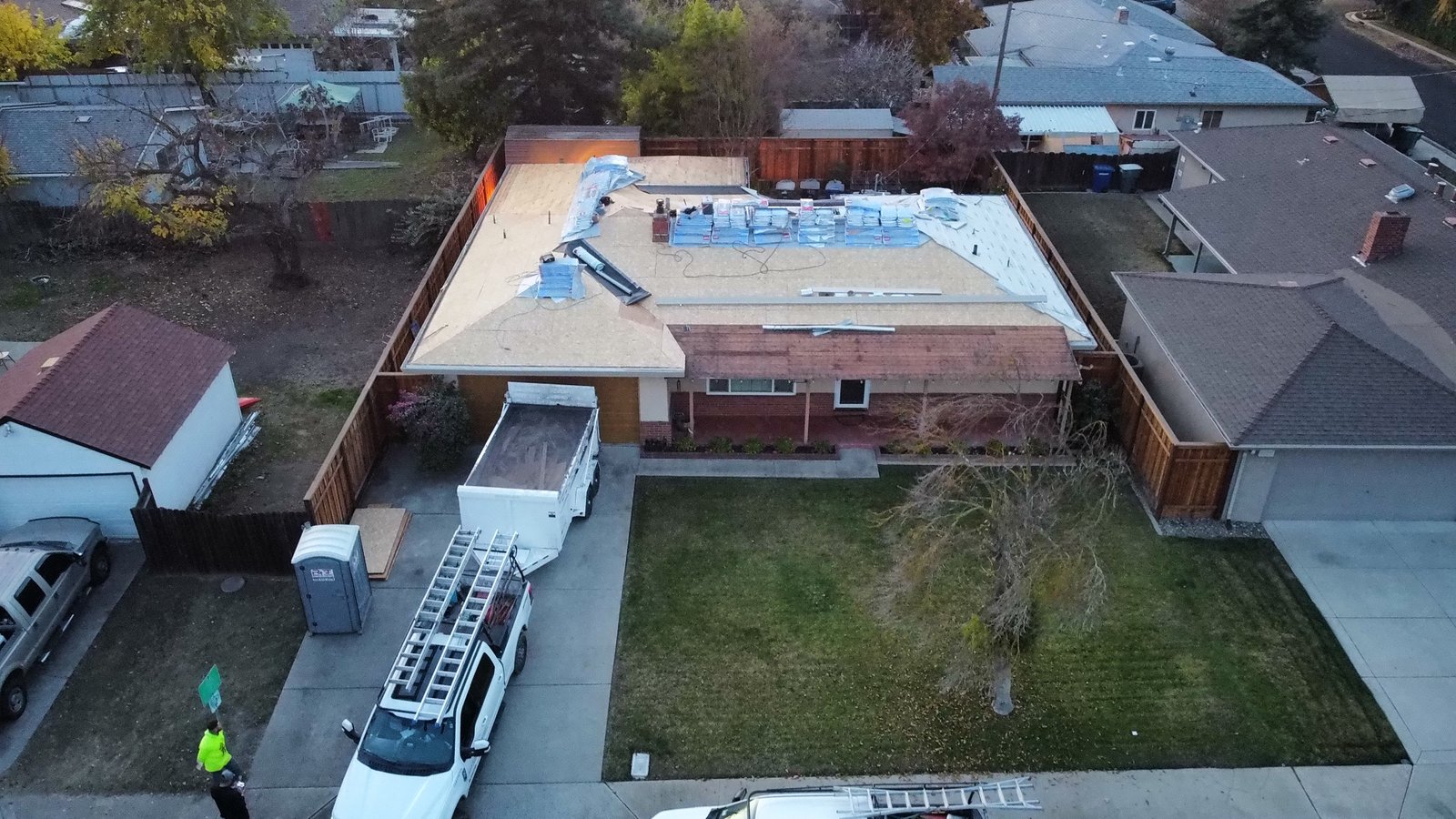
Designer Shingles in Modesto: What Goes Into a GAF Grand Sequoia Roof
How a shake-look designer shingle differs from a standard architectural shingle, shown on a real Modesto GAF Grand Sequoia re-roof from fresh deck to installed shingles.
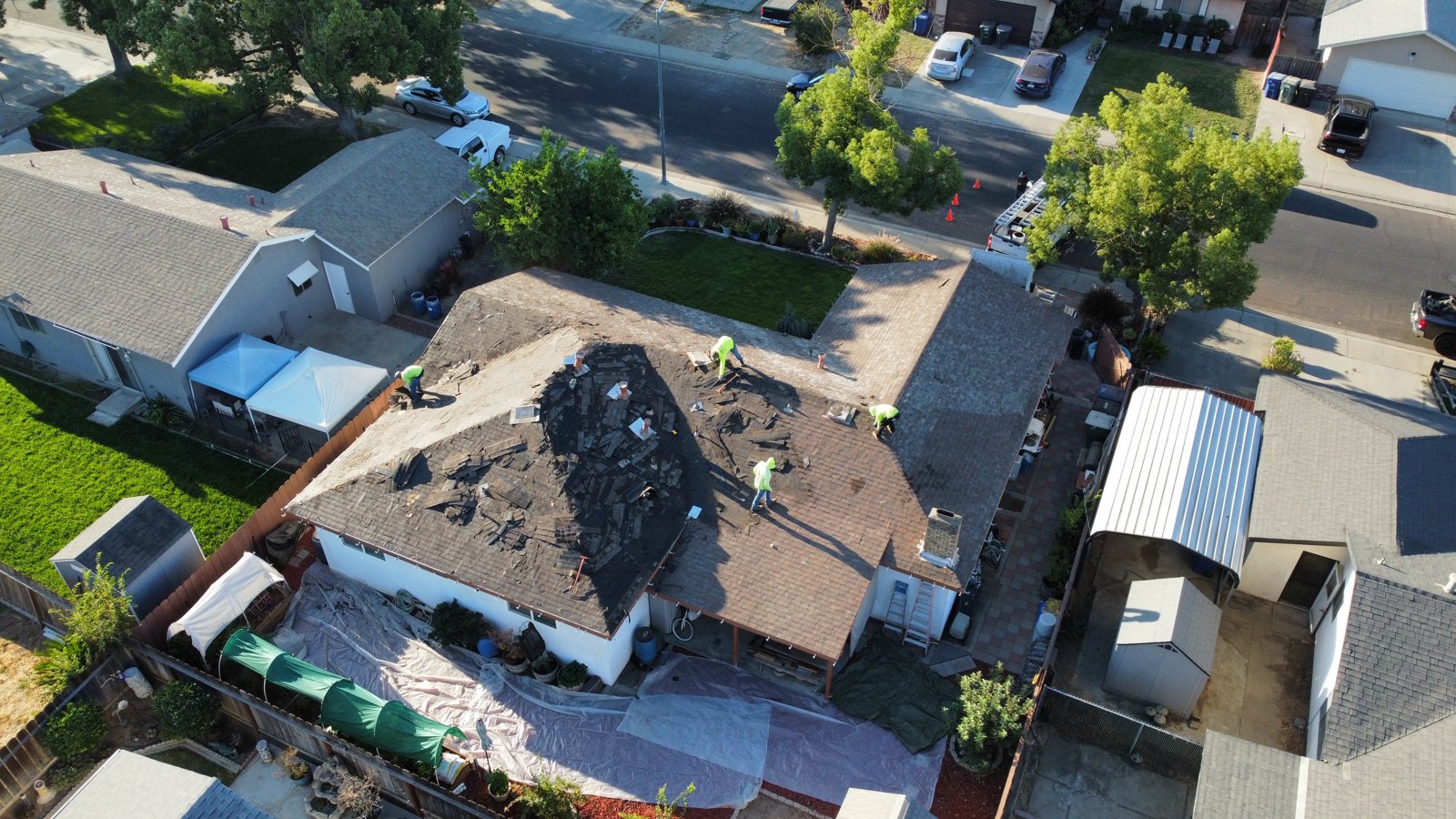
Tear-Off or Roof-Over? Why We Strip a Riverbank Roof Down to the Deck
A roof-over can look cheaper on paper, but it hides the deck and stacks weight on the framing — how a full tear-off works on a real Riverbank re-roof, and when a roof-over is even allowed.
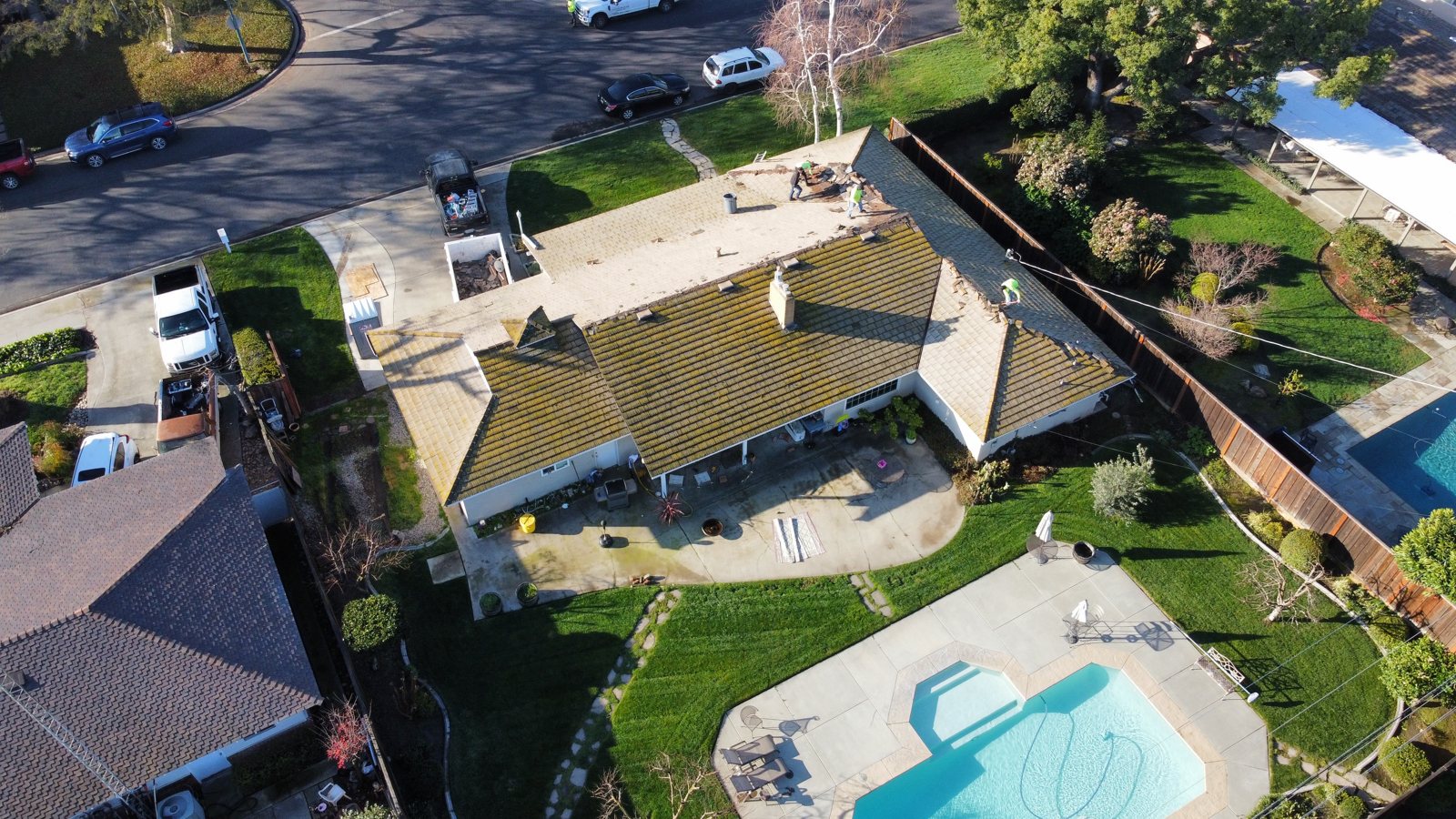
Tile to Shingle in Modesto: What Changes When an Old Tile Roof Comes Off
Concrete tile often outlasts the layers under it — what a Modesto tile-to-shingle replacement involves, from tear-off to solid deck to finished courses.
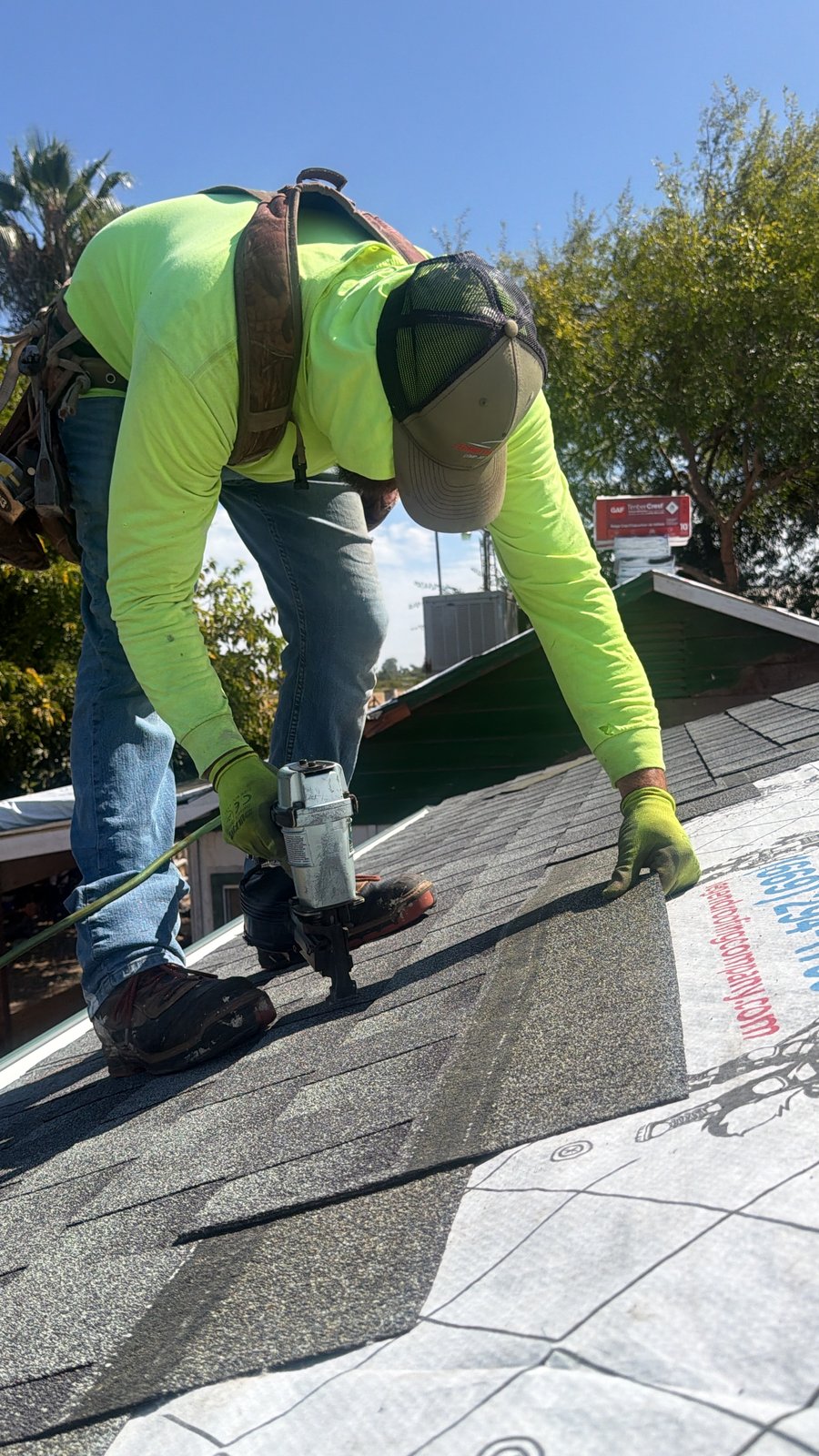
Shingle Nailing Before Fall Wind: Why Modesto Courses Need Proper Fasteners
Fall wind tests how asphalt shingles are fastened — why Modesto course nailing matters before storms, and what proper fastener placement looks like mid-job.
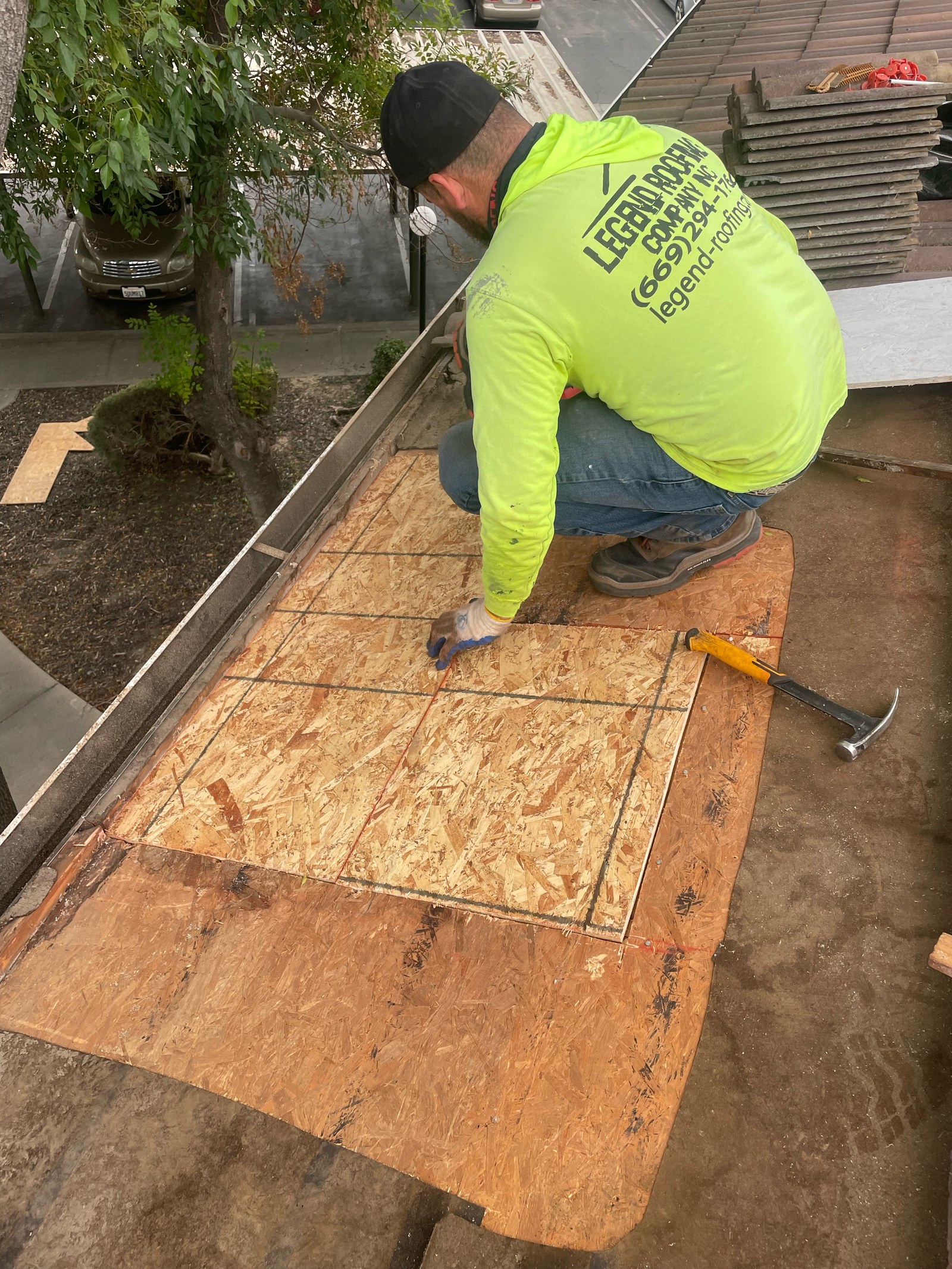
Soft Spots Before Fall Rain: Why Modesto Roof Decking Matters
Soft spots mean the wood under tiles or shingles has weakened — why Modesto decking matters before fall rain, and local OSB patch vs redeck.
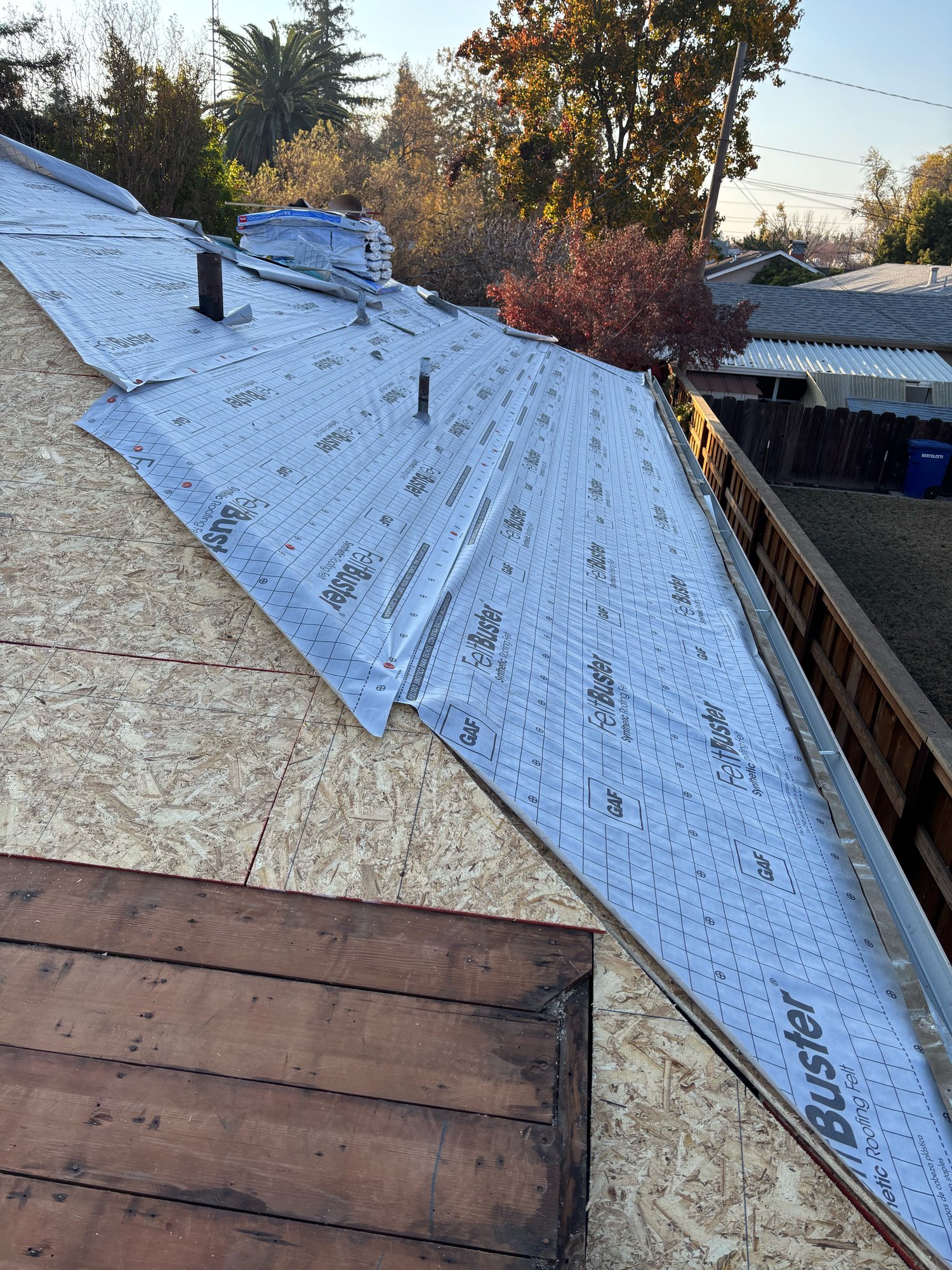
Drip Edge Before Fall Rain: Why Modesto Roof Edges Need Metal
Drip edge is the thin metal at the eave and rake that steers water off the deck into the gutter—why Modesto edges need it before fall rain.
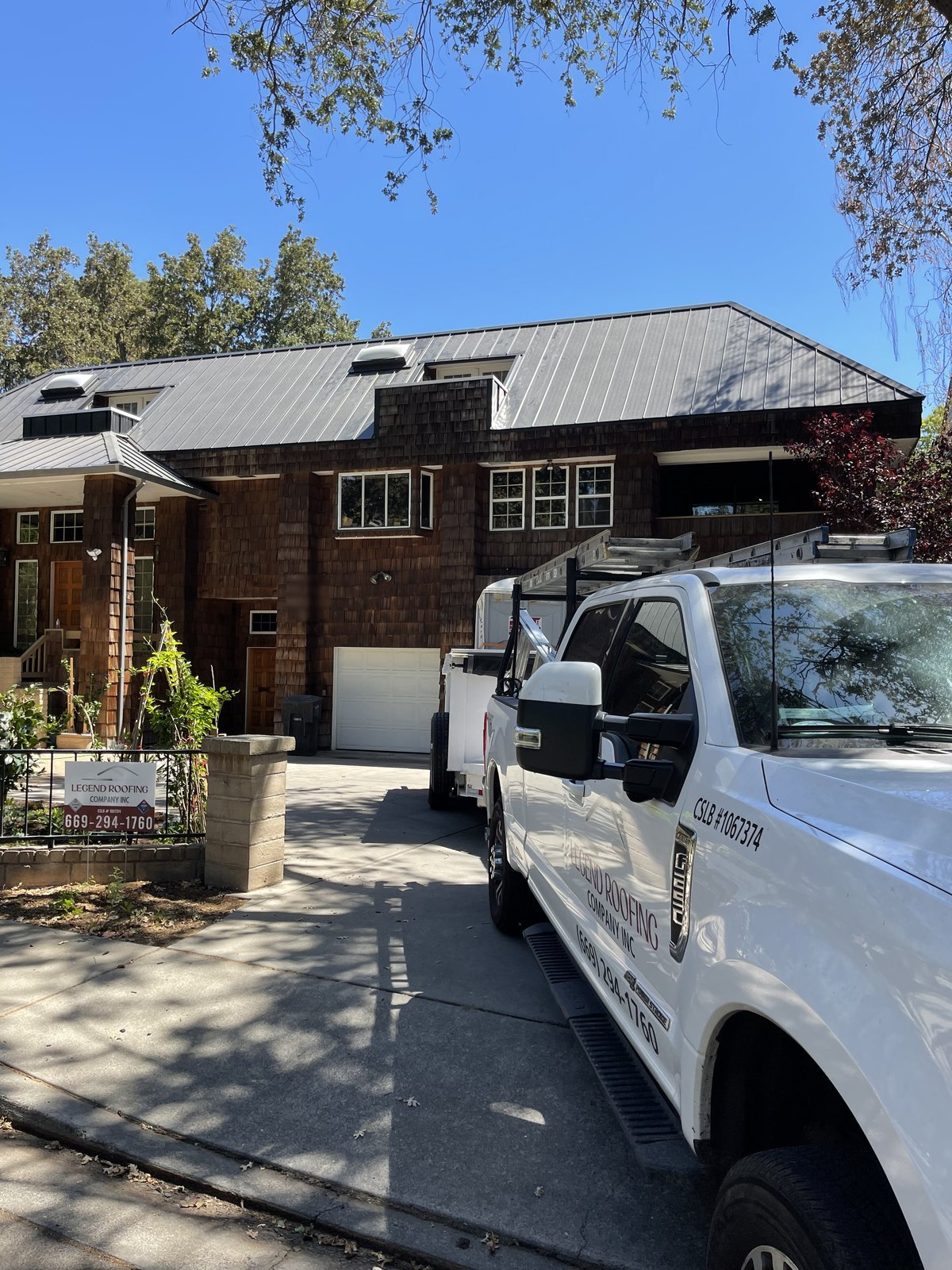
Standing Seam Metal Before Fall: When Modesto Homes Choose Metal
Standing seam is a full roof system—not a trim detail. When Modesto homes choose metal, and what to notice before fall.
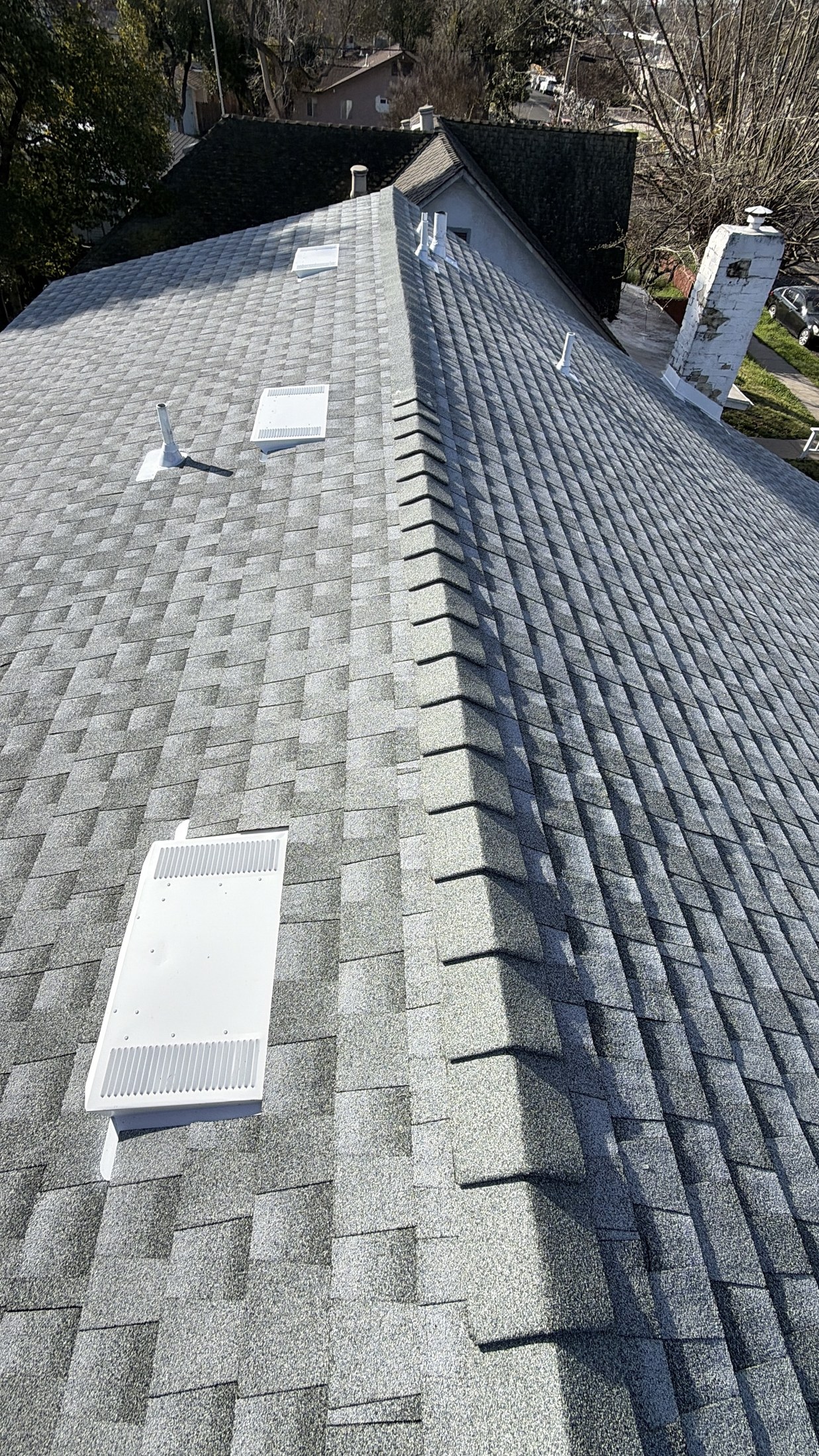
Roof Vents Before Fall: Why Modesto Attics Still Need Airflow
After months of Central Valley heat, Modesto attics still need a path for hot air to leave.
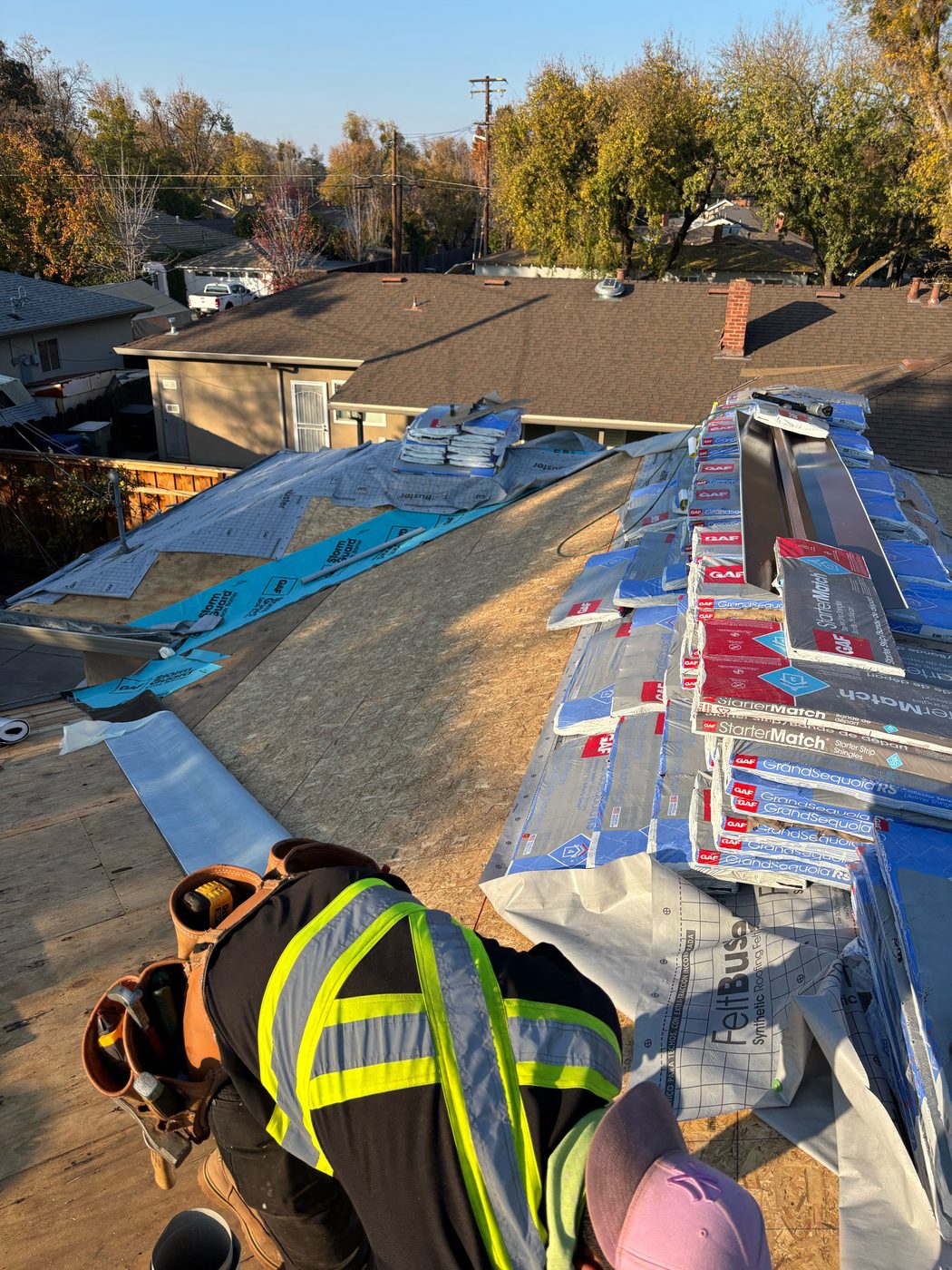
Ice & Water Shield Before Fall Rain: Why Modesto Roof Edges Matter
After months of Central Valley heat, the first Modesto fall storms hit roof eaves and edges hardest.
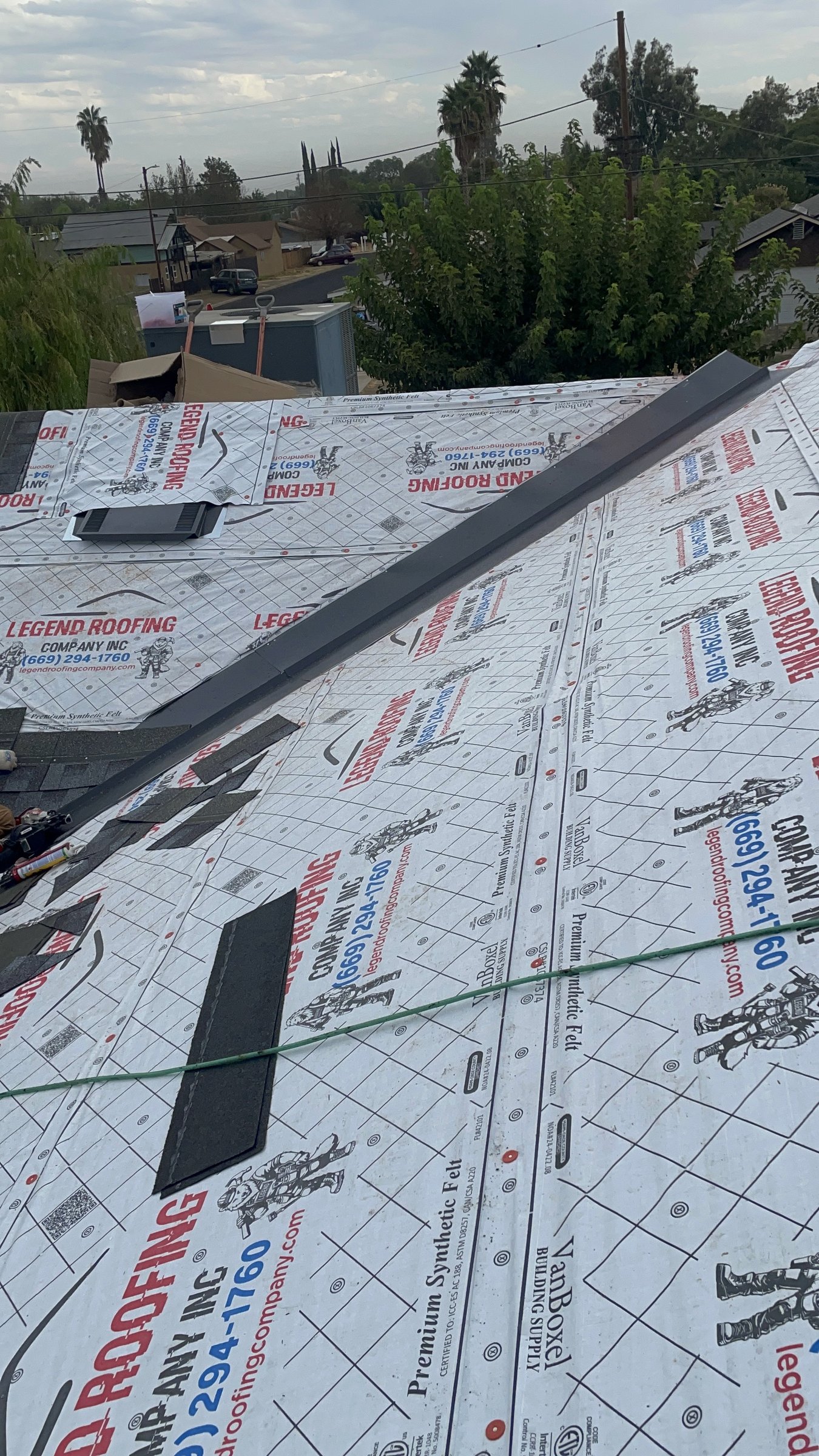
Roof Valleys Before Fall Rain: How Water Leaves a Modesto Shingle Roof
Roof valleys are where two slopes meet and water runs hardest. Here is how flashing and underlayment help.
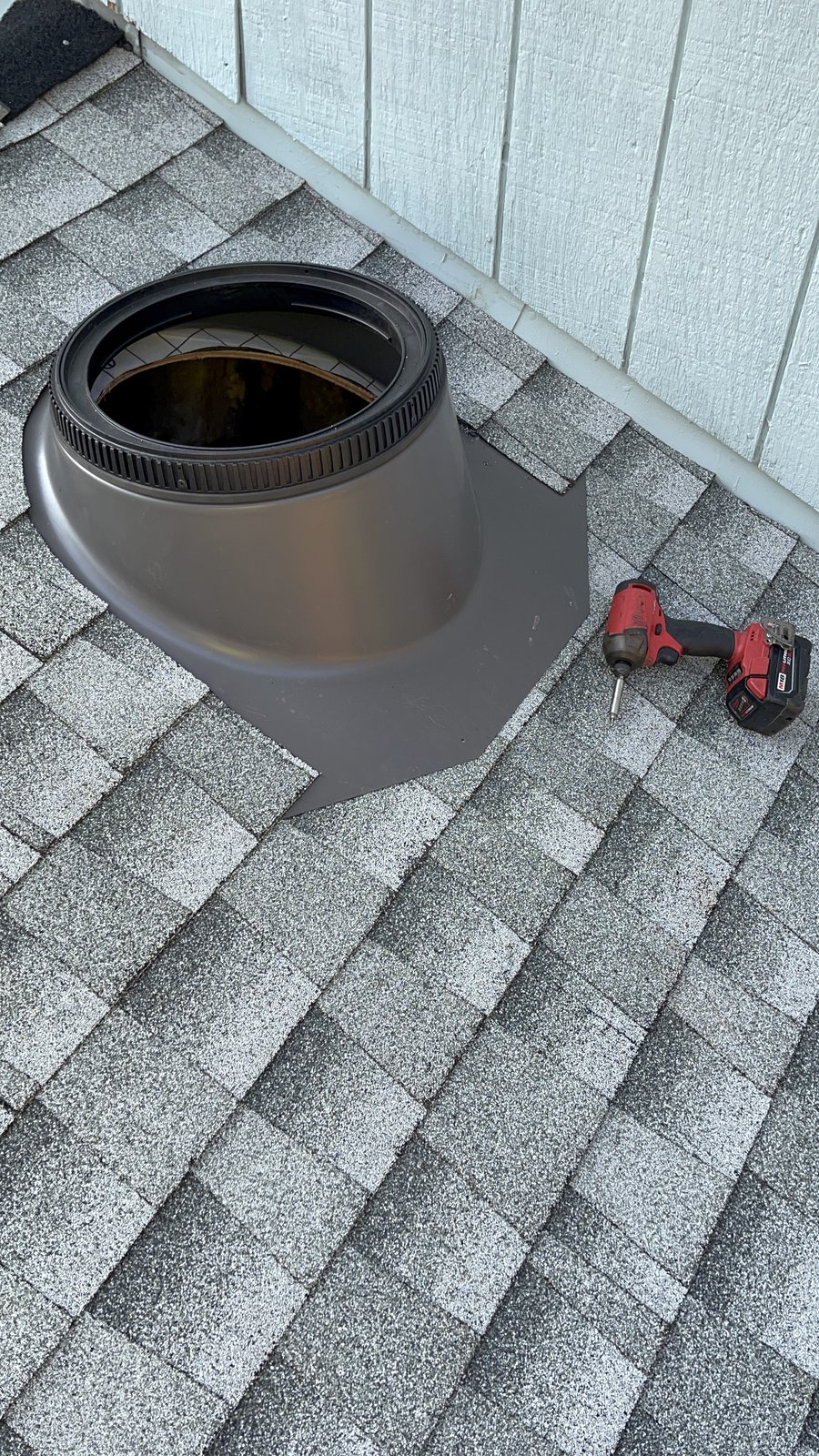
Sun Tunnel Flashing After a Modesto Summer: Why Tubular Skylights Leak
Sun tunnels bring daylight through a small roof cut. After a long Modesto summer, the first drip often starts at the flashing—not the clear dome. Here is how the system works and what to check.
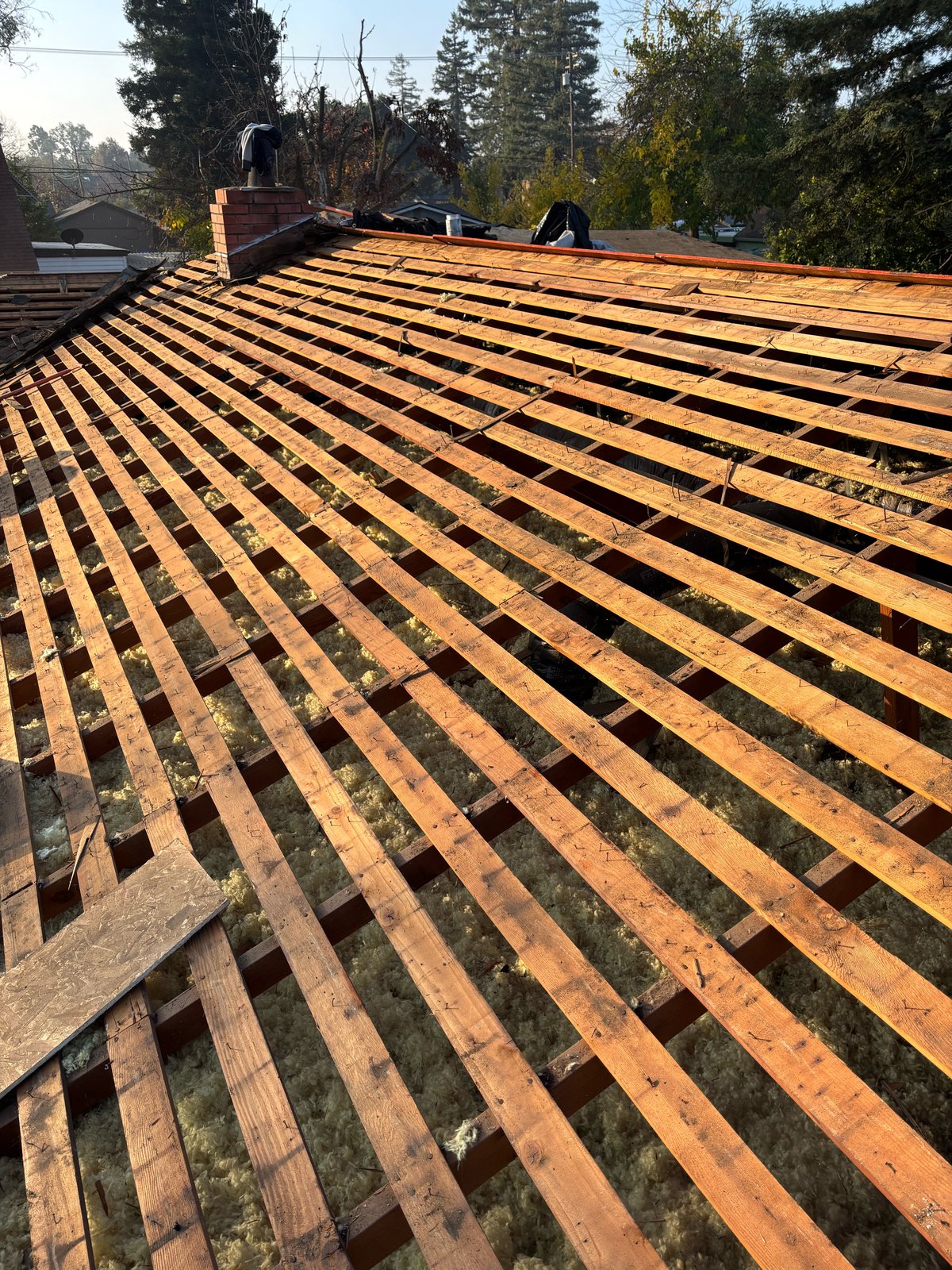
Skip Sheathing to Solid Deck: What We Opened on a Turlock Roof
Many older Central Valley roofs were built with spaced wood boards, not a solid sheet.
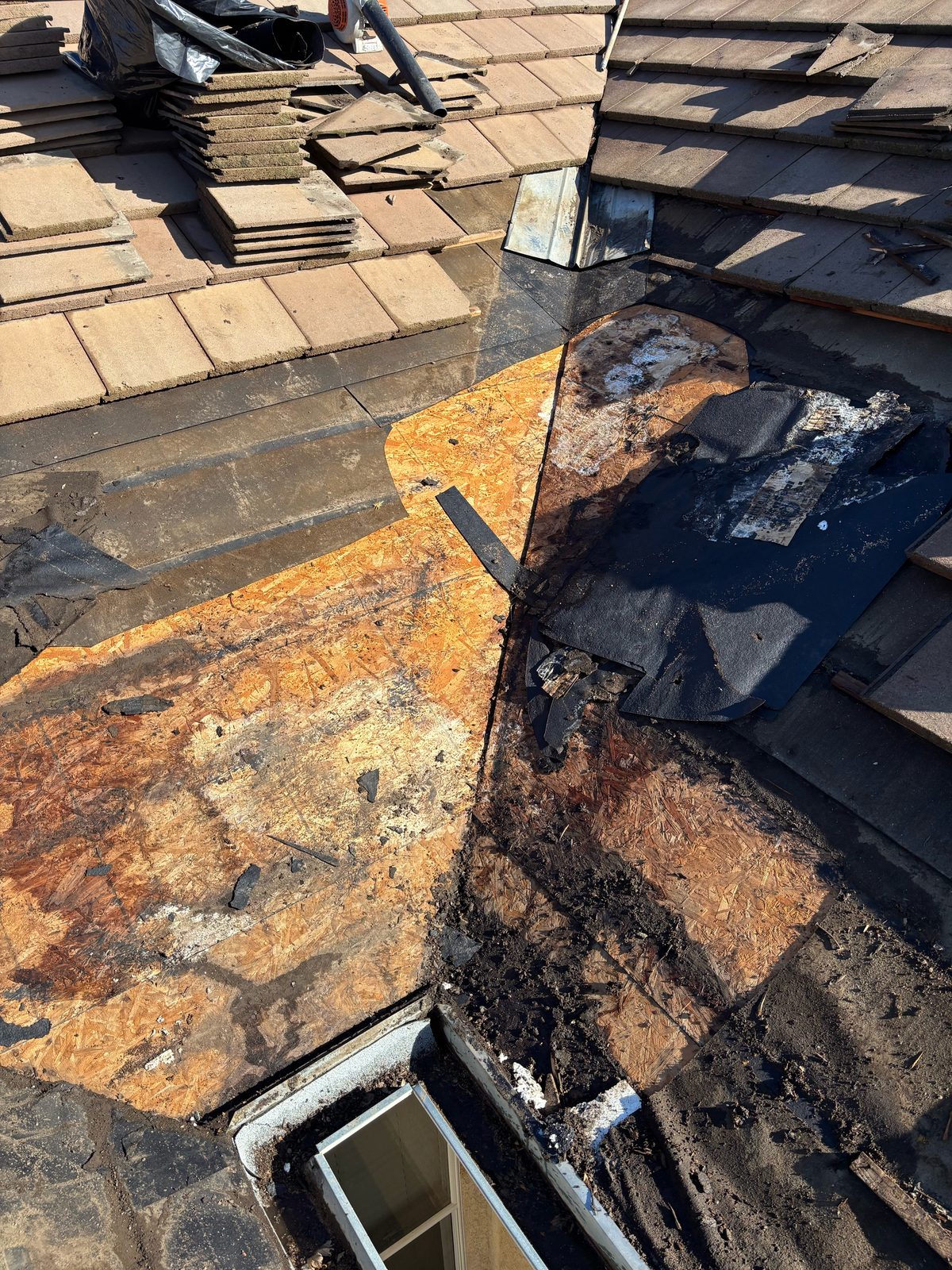
When a Tile Valley Goes Soft: What We Found Under a Ripon Roof
Tiles can look fine while a clogged valley quietly softens the deck.
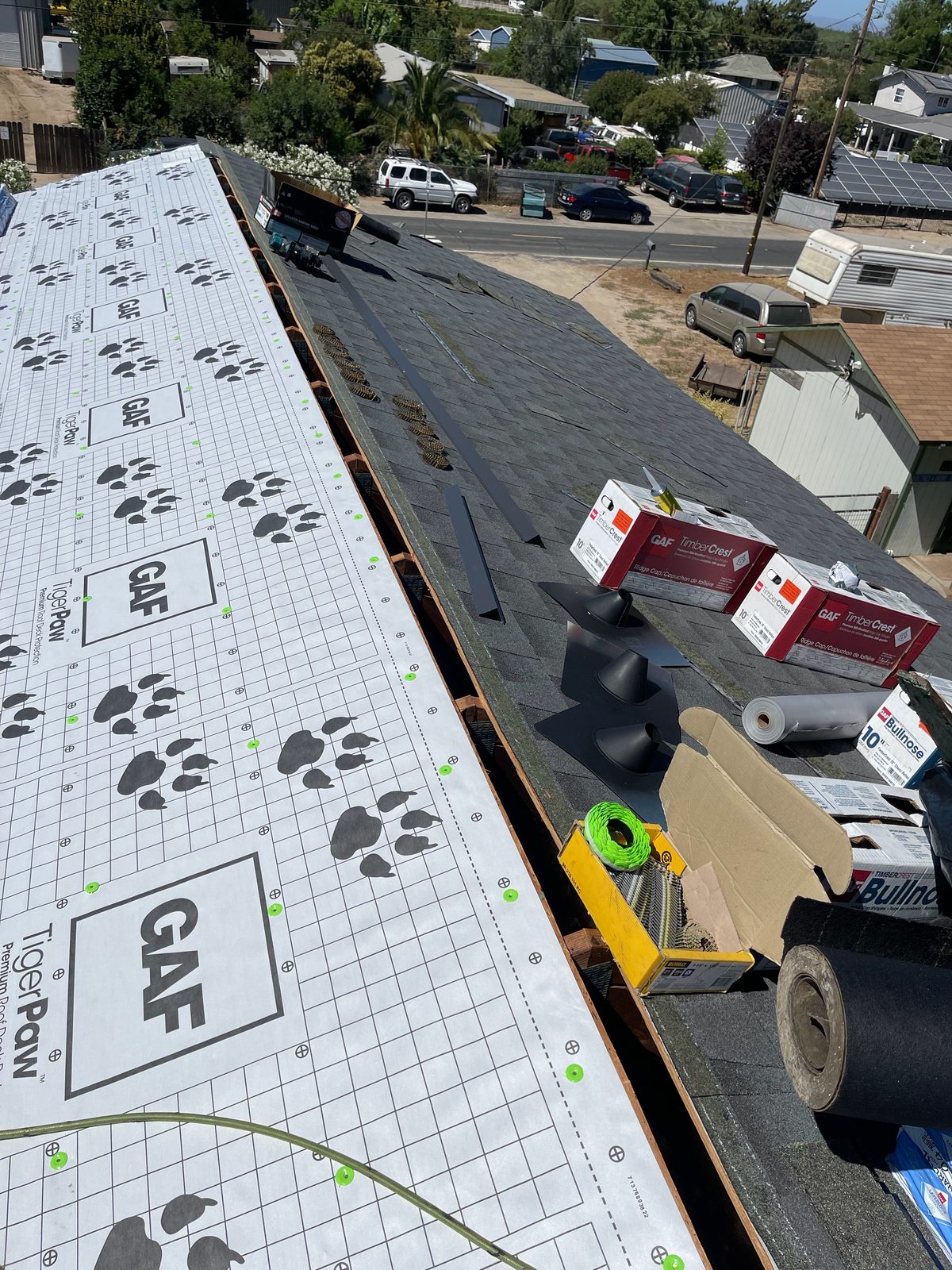
Ridge Caps on a Modesto Roof Replacement: Why That Last Detail Matters
Field shingles cover the slopes. Ridge caps finish the peak—and they matter when heat and rain arrive.
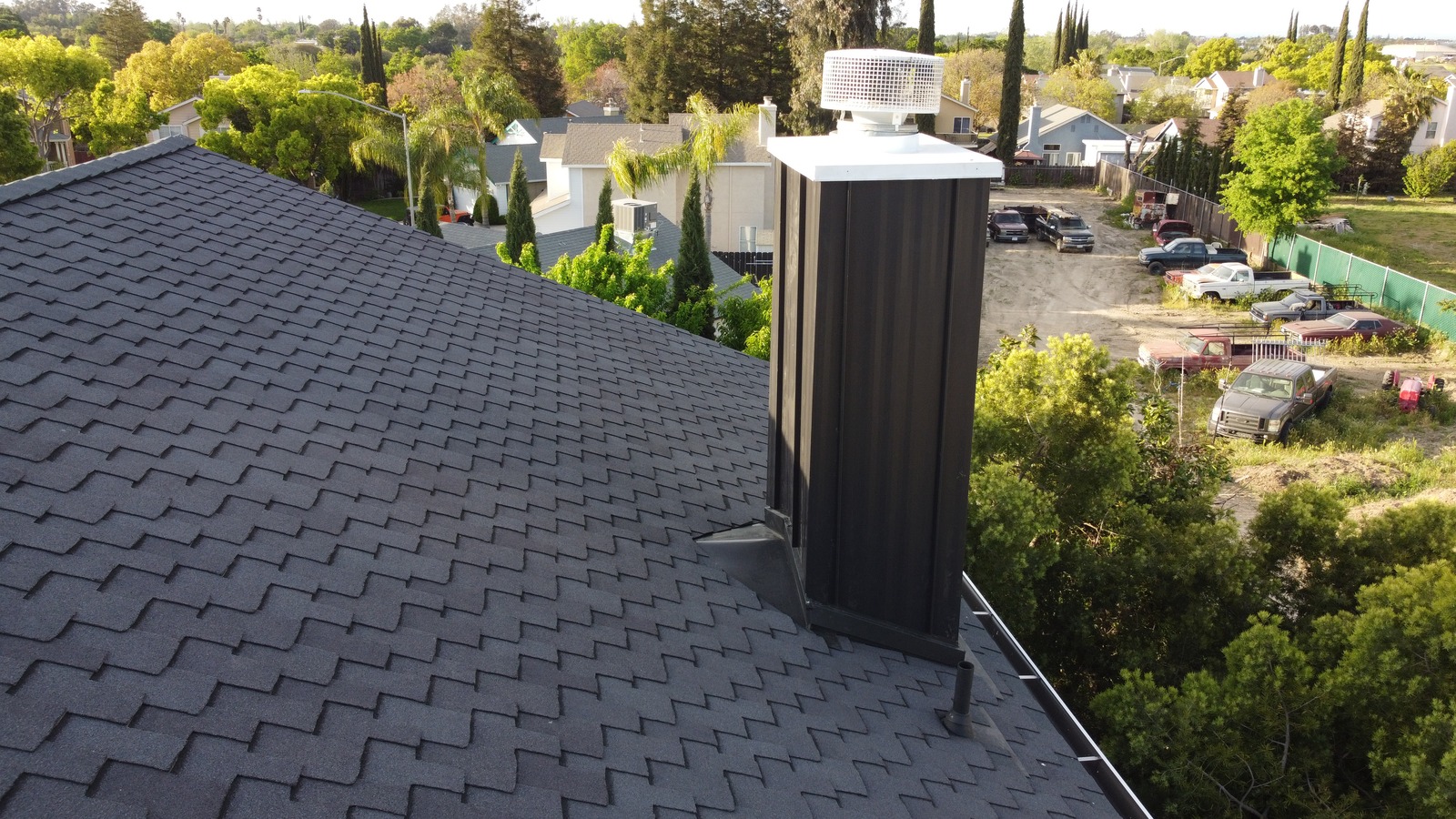
Chimney Flashing After a Modesto Summer: Why This Spot Leaks First
Chimneys concentrate water and heat stress. Here is why roofs often leak at the chimney first.
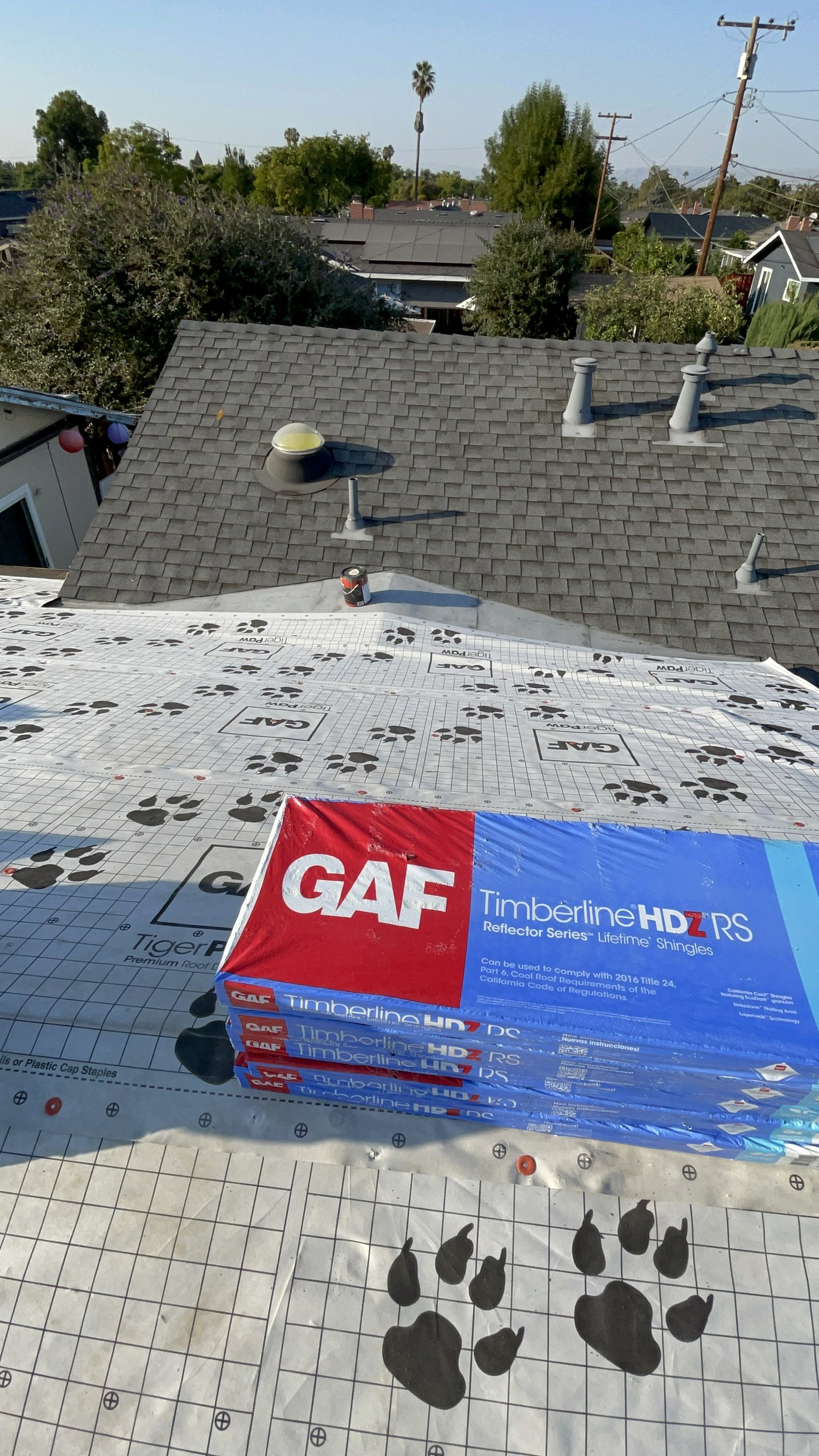
What’s Under Your Shingles? Why Underlayment Matters in Modesto Heat
Shingles get the attention. The layer under them does quiet work when heat and storms hit.
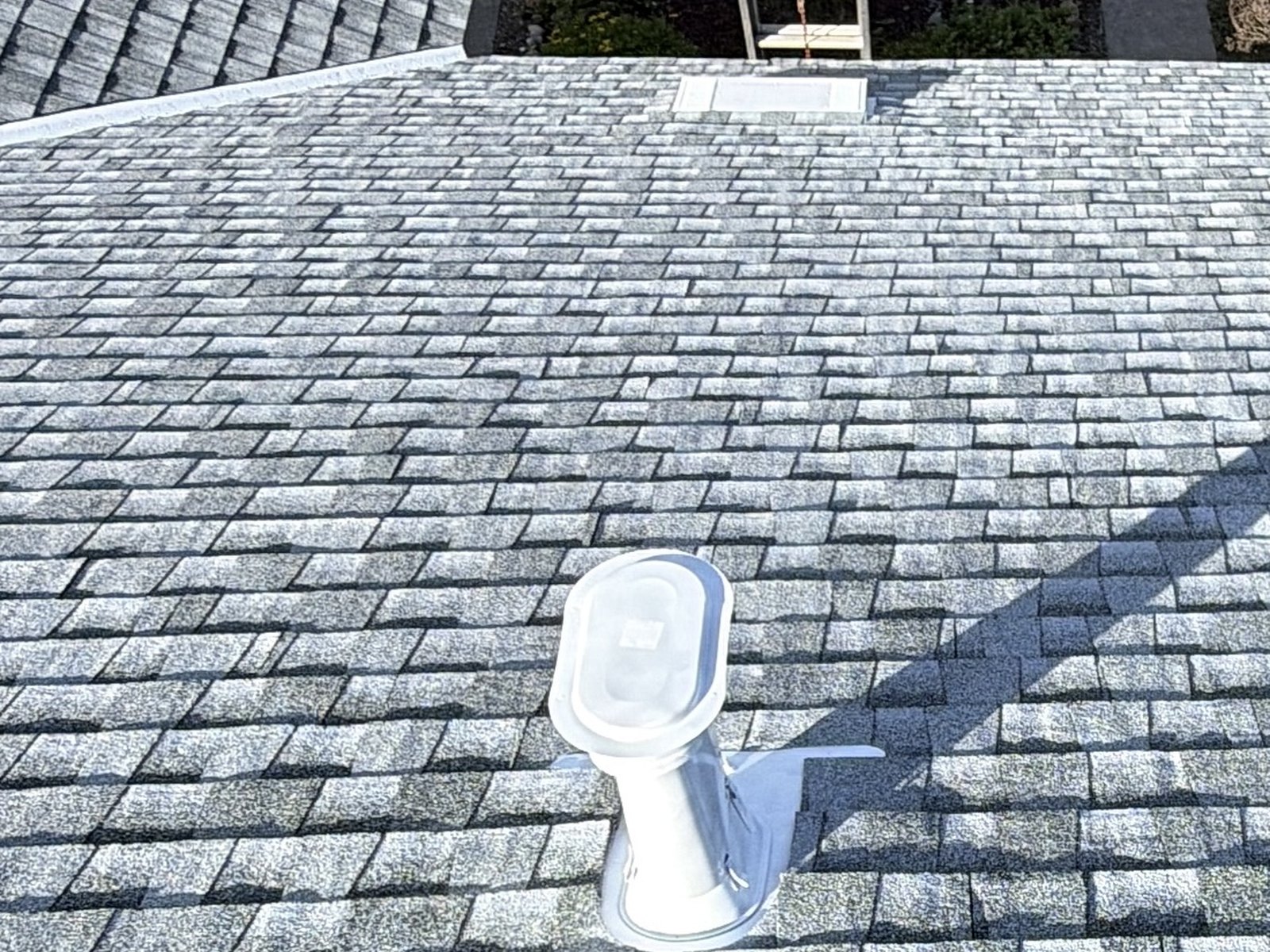
Pipe Boots After a Modesto Summer: Why Roof Penetrations Leak First
After long Valley summers, cracked pipe boots and flashing often leak before open shingle fields do.
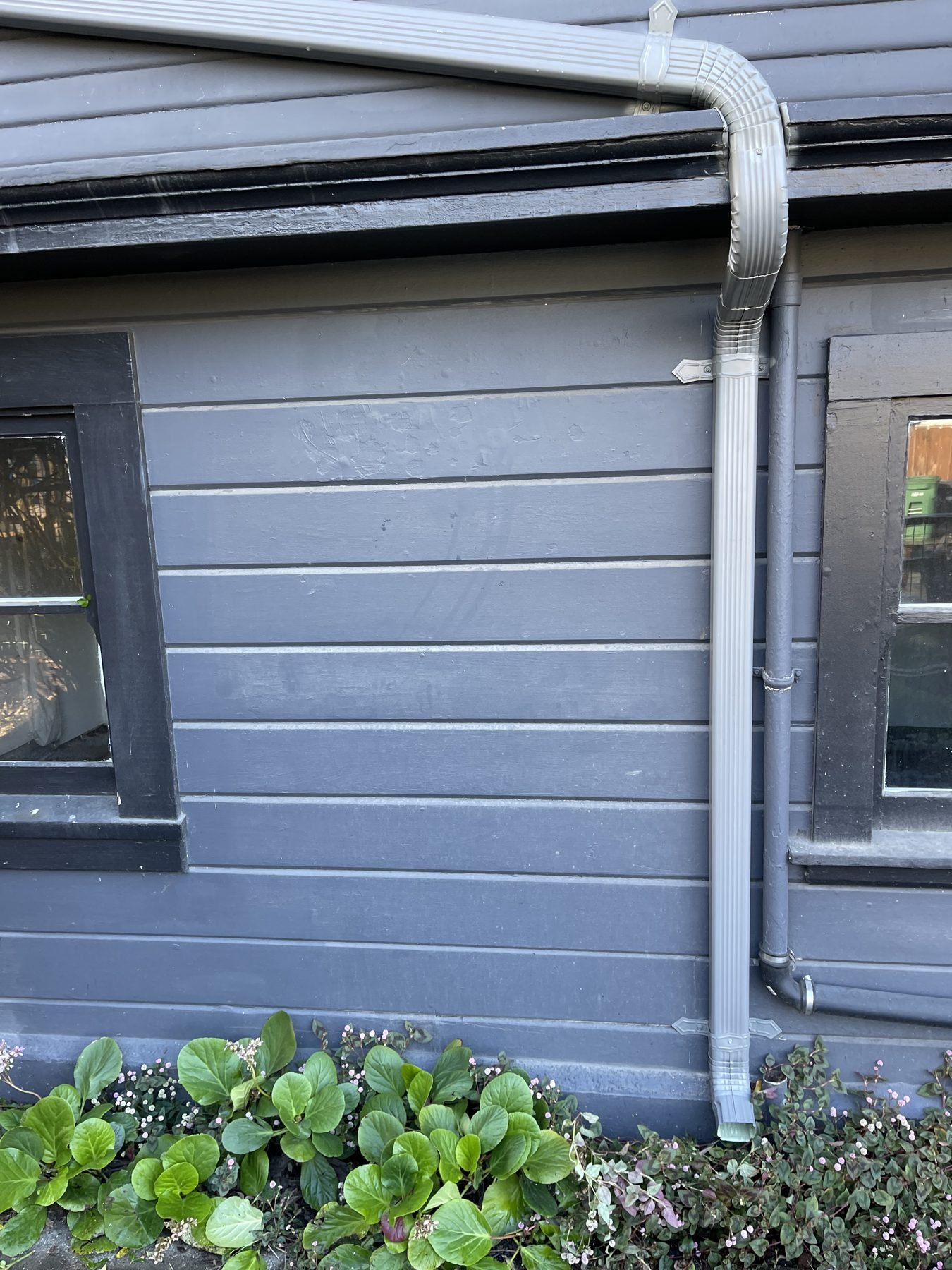
Gutters After a Central Valley Summer: What to Check Before Fall Rain
Dry summers hide drainage problems. Before Central Valley rain returns, here is what Modesto homeowners can check on gutters and roof edges—without climbing a hot roof.
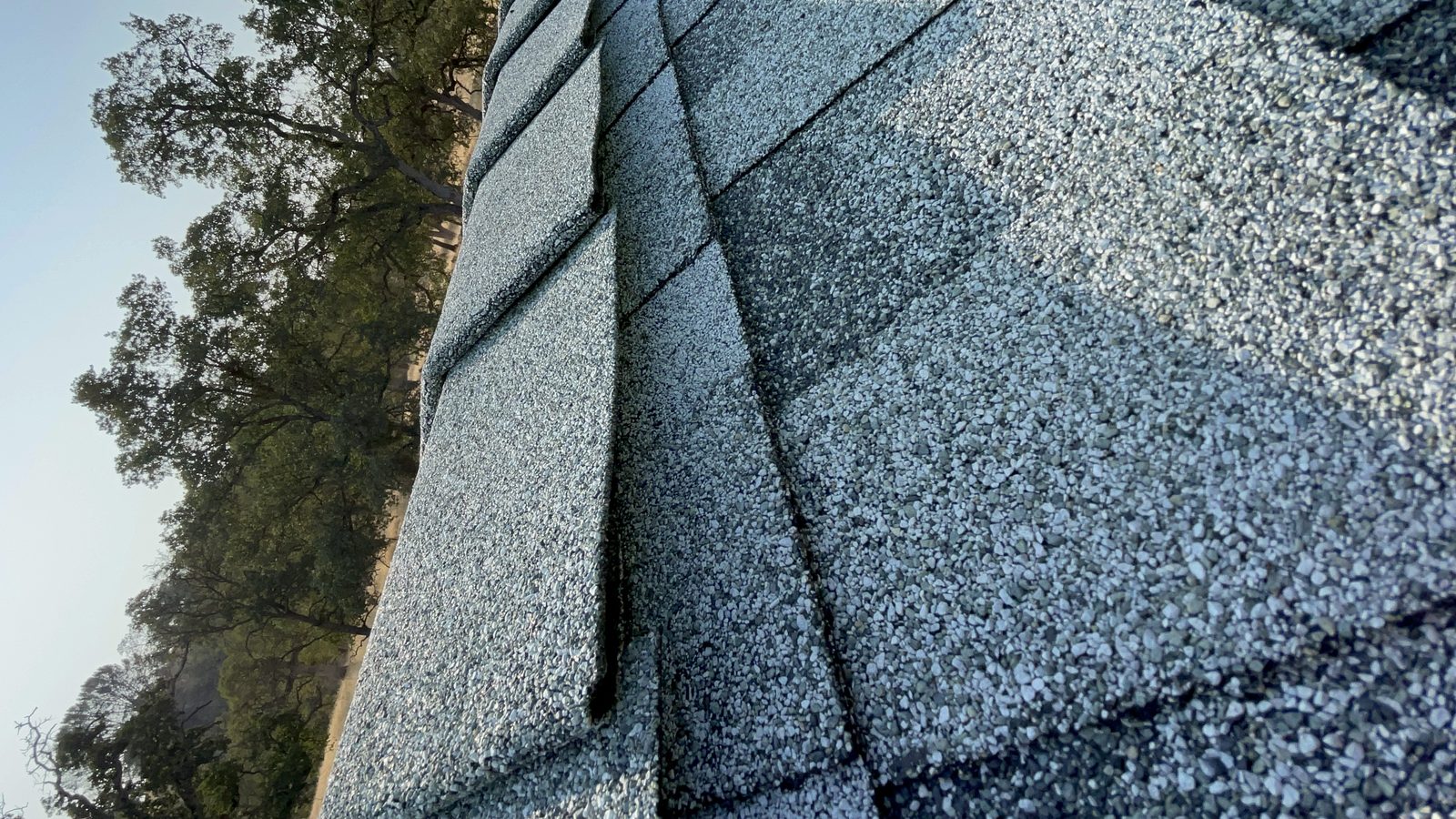
What Central Valley Heat Does to Asphalt Shingles—and What to Check
How Modesto heat and sun affect asphalt shingles, warning signs homeowners can safely check, and when an inspection may help.
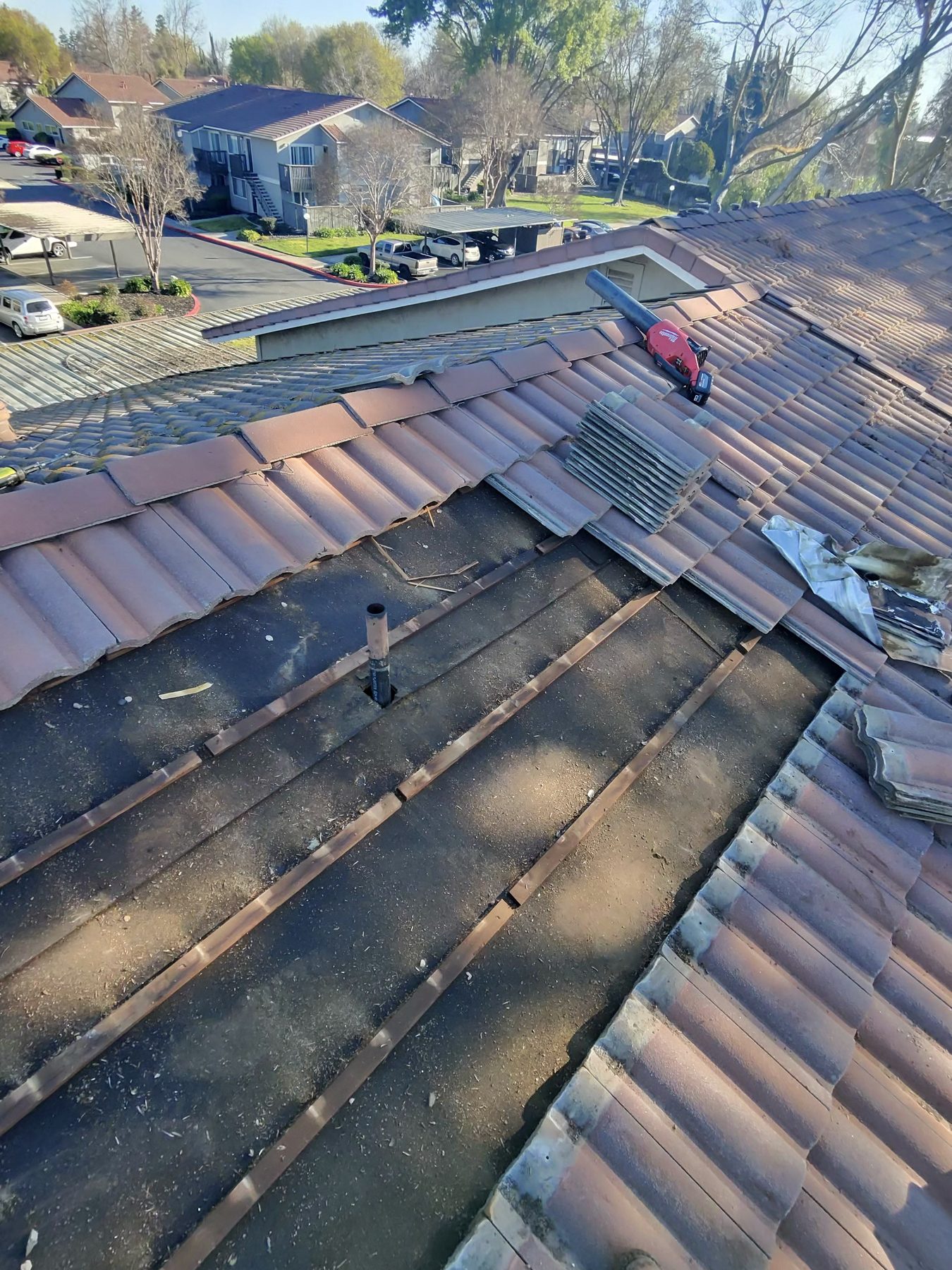
Repair or replace? How we decide on a Modesto roof
Most roofs we look at need a repair, not a full tear-off. Here is how the inspection goes.
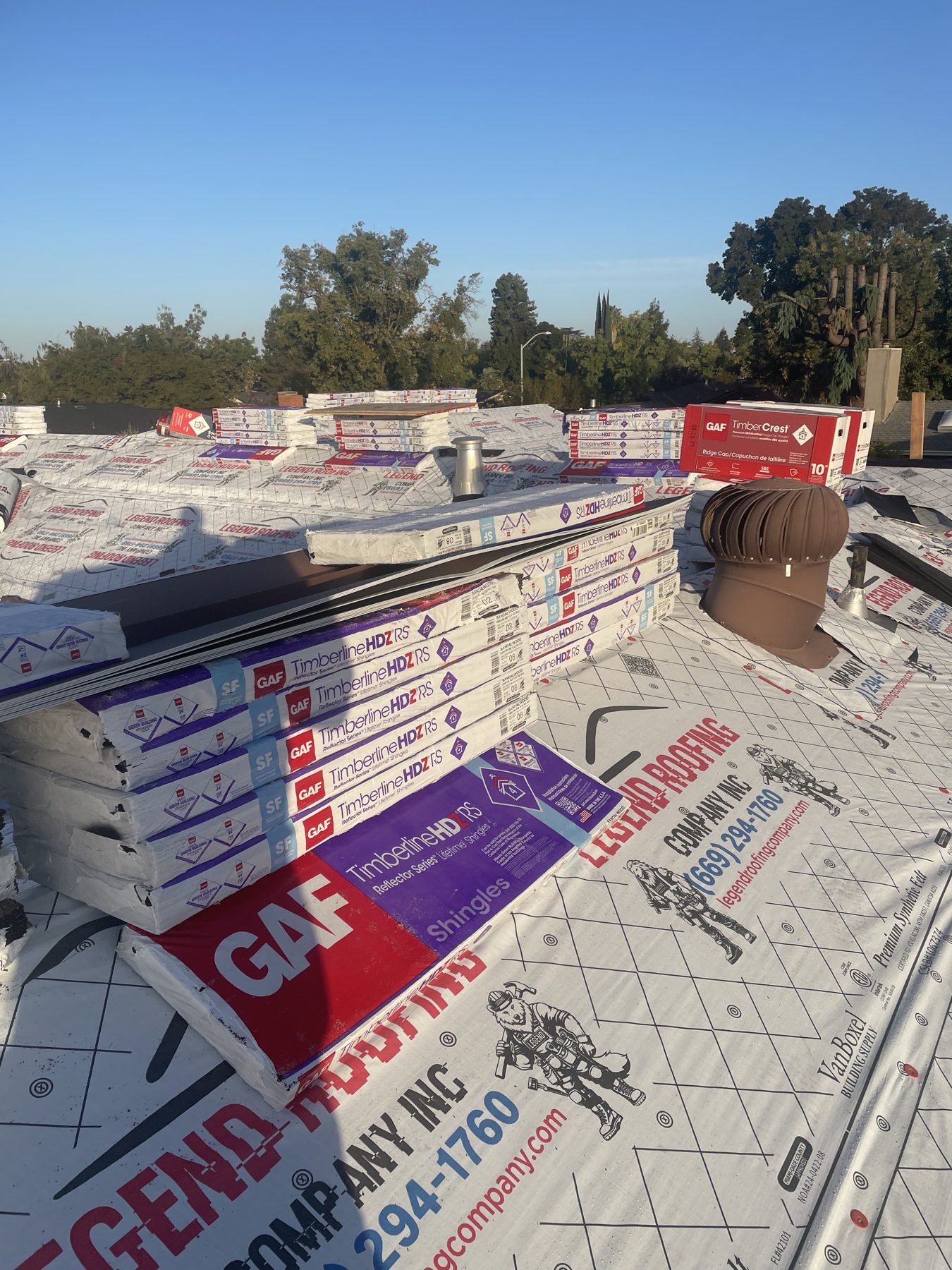
What a GAF shingle replacement looks like on our jobs
Tear-off, Legend felt, GAF Timberline, and the crew you can call back at the shop.
Questions about your roof in Modesto, Ceres, Turlock, or nearby? Call (209) 404-6110 or use Get a Quick Quote.