
Modesto · Central Valley · CSLB #1067374
Roof Repair in Modesto, CA
Leaks, wind damage, slipped tile, and failed flashing — repaired properly by a licensed local crew. Legend Roofing Company Inc works out of 4400 Gomes Rd in Modesto and answers the phone 7am–5pm every day.
Repairs We Handle
Roof leaks
We trace the leak back to its actual source instead of smearing sealant at the stain on your ceiling. Most leaks start at flashing, penetrations, or valleys.
Storm and wind damage
Valley winds lift shingles and shift tile. We tarp to stop active water intrusion, then repair the damaged sections.
Flashing and penetrations
Chimneys, skylights, vents, pipe boots, and wall transitions — the places dried-out sealant gives up first.
Tile repair
Broken and slipped tile replaced and underlayment patched underneath where it has failed.
Dry rot and fascia
Soft decking, rotted fascia, and damaged eaves repaired before new material goes over them.
Penetrations · Modesto heat
Pipe Boots & Roof Flashing Failures in Modesto Heat
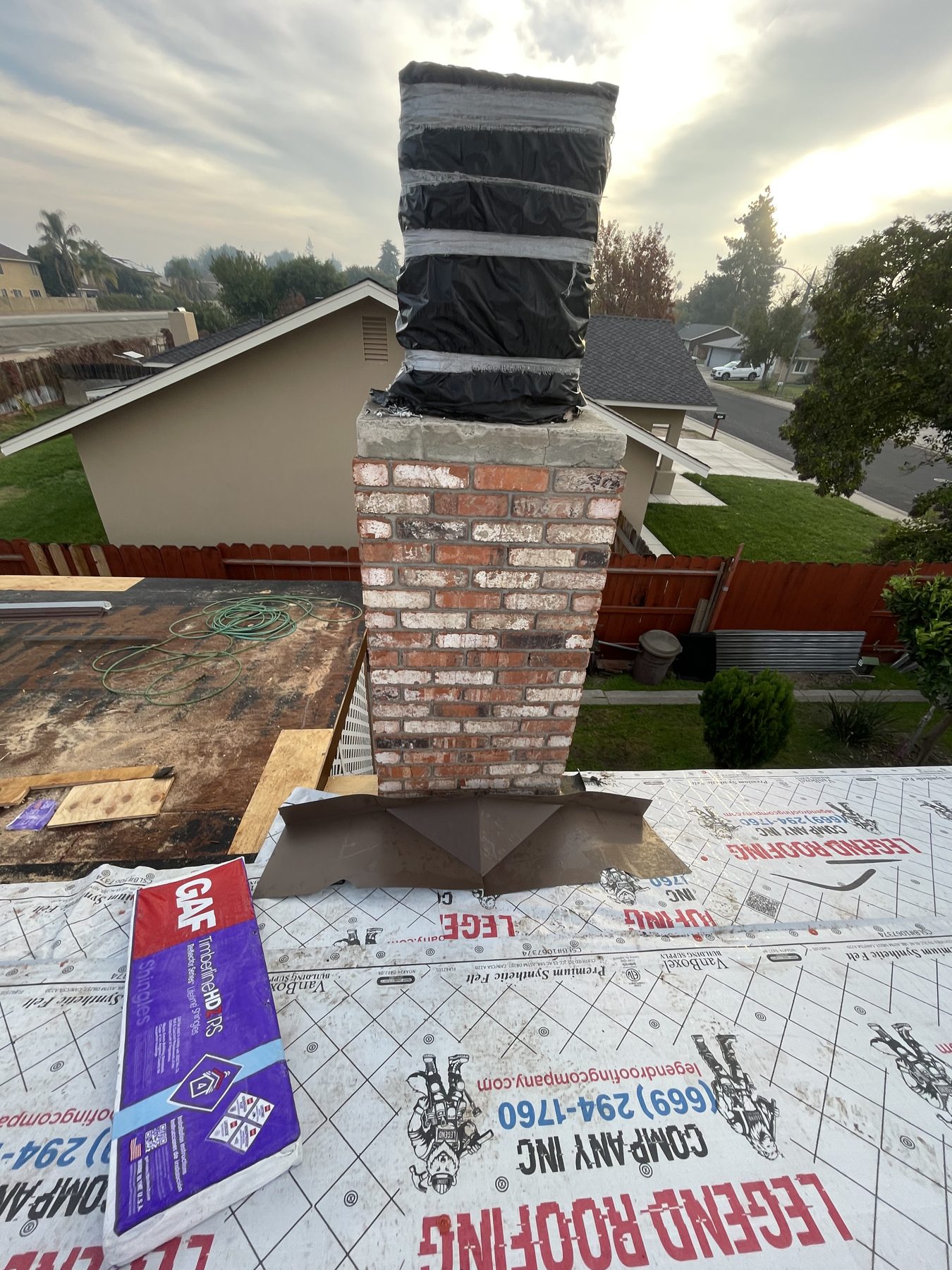
Why pipe boots and flashing fail earlier in Modesto heat
Across Modesto and the Central Valley, long summers put roof penetrations under more stress than many homeowners expect. A pipe boot (the flexible collar or metal cone that seals where a plumbing or exhaust pipe exits the roof) and flashing (metal or membrane that sheds water at chimneys, walls, skylights, and vents) sit in direct sun. They expand and contract every day. Sealant at those joints often dries, hardens, and cracks — crews commonly call that sealant “baking out.”
This page already notes that chimneys, skylights, vents, pipe boots, and wall transitions are places dried-out sealant gives up first. Here is more depth on why Valley heat drives those failures and what options look like when the problem is still localized. Shingles around a penetration can look fine while boot rubber is cracked or a flashing lap has opened. UV hits the exposed collar first; wind-driven rain later finds the gap — which is why a bathroom ceiling stain can appear after the first fall storm even when summer was dry.
What sealant bake-out looks like
Sealant finishes joints; it does not replace properly layered flashing. In Central Valley sun, caulk and mastic can shrink, pull away from metal or rubber, and leave hairline openings. Homeowners sometimes see dark, chalky, or cracked beads around a pipe, along chimney counter-flashing, or at a wall transition.
Bake-out alone does not always mean the whole roof is finished. It often means a penetration detail needs attention. Re-smearing sealant over a cracked rubber boot without replacing the boot can be a short-term patch that fails again after the next heat cycle. A more durable repair commonly replaces the worn boot or corrects flashing layers so water sheds as designed.
Clues you can notice without walking a hot roof
Stay off asphalt roofs in peak heat when possible — soft shingles damage easily. Safer checks include:
- Interior: recurring stains near bathrooms, kitchens, or laundry walls where vents and pipes run; damp drywall after rain; musty odor in a safely accessible attic near a pipe chase.
- Exterior from the ground or a second-story window: cracked, split, or pulled-away rubber boots; rust streaks under metal flashings; lifted shingles on the uphill side of a chimney or vent; gaps along wall flashings.
- After wind: granules or sealant crumbs in gutters near known penetrations.
Photos help. They do not replace an on-roof look when water is active.
Repair options when the issue is still local
When the surrounding roof surface and underlayment are otherwise in reasonable shape, Legend Roofing Company Inc commonly treats pipe-boot and flashing problems as repair work:
- Pipe boot replacement — remove the failed collar, install a new boot sized to the pipe, and integrate it with the shingle or tile course so water sheds downhill.
- Flashing correction — rework step, counter, or apron flashing at chimneys, walls, and vents when laps have opened or sealant was doing the job metal should do.
- Limited surrounding repair — replace a few damaged shingles or patch underlayment next to the penetration when moisture has traveled a short distance.
Exact scope depends on roof type, how long water has been moving, and whether decking has softened. For how Legend weighs repair versus replacement in general, see the Repair or Replace? section below on this page.
Heat also ties to attic conditions. Balanced intake and exhaust can reduce the “oven” effect under the deck; see attic ventilation. When multiple penetrations are failing and the field is at end of life, see roof replacement in Modesto — without treating every cracked boot as an automatic tear-off.
When a failed boot may signal broader issues
One cracked boot after many summers can be an isolated wear item. Several failed penetrations, brittle underlayment around them, soft decking, or leaks in more than one area can suggest the roof system is aging together. Valley heat often ages ridge details, sealants, and boots on a similar clock.
A single penetration leak does not prove the whole roof must be replaced. It can still be a useful moment to ask what else is near the same age — other boots, chimney flashings, valleys — so the next storm is less of a surprise. Legend Roofing Company Inc (CSLB #1067374), based at 4400 Gomes Rd in Modesto, commonly documents what is localized versus what looks widespread so you can decide with clear options.
Repair or Replace?
Honest answer: most roofs we look at need a repair, not a replacement, and we will tell you that. A repair is the right move when the roof is otherwise in decent shape, the damage is confined to one area, and the underlayment around it is still sound, such as a wind-lifted section, a cracked pipe boot, or a few broken tiles.
A replacement makes more sense when the roof is at the end of its life, leaks show up in several places, or the underlayment has gone brittle across the whole roof. We put both options in writing with prices so you can decide.
Not sure which you need? Read about roof replacement or Get a Quick Quote.
Modesto · housing stock · patterns
Roof repairs we see around Modesto (by housing stock)
Different neighborhoods tend to show different wear patterns. These are common Central Valley patterns we discuss during scoping — not claims about a specific address.
- Village One / newer HOA tracts — Wind-lifted architectural shingles and ridge-detail wear show up after Valley wind events. If a repair needs a matching product, HOA color or material rules may apply; we confirm what is allowed before the written scope.
- College Area / La Loma / older east Modesto — Tile slip, aged underlayment patches under broken tile, and chimney or wall flashing that opens after heat cycles are frequent repair conversations.
- West / north Modesto ranch stock — Pipe-boot bake-out and penetration sealant failure after long summers are classic here. See pipe boots & flashing on this page for heat and sealant detail.
- Nearby cities we stage from Gomes Rd — The same heat and flashing patterns show up in Ceres, Turlock, Riverbank, and Oakdale. We serve those areas from 4400 Gomes Rd, Modesto — see Areas We Serve rather than thin city repair pages.
When damage is still localized, repair is often enough. When multiple penetrations and brittle underlayment age together, compare options on roof replacement in Modesto. Soft next step: Get a Quick Quote or call (669) 294-1760.
Need a Roof Repair in Modesto?
If you see stains near a vent pipe, cracked boot rubber, or flashing that pulled open after Modesto heat, get in touch. Legend Roofing Company Inc can review photos and roof conditions and explain repair paths that fit your house — without pressure to replace what a solid repair can still protect. Hours 7am–5pm daily.
Our Work
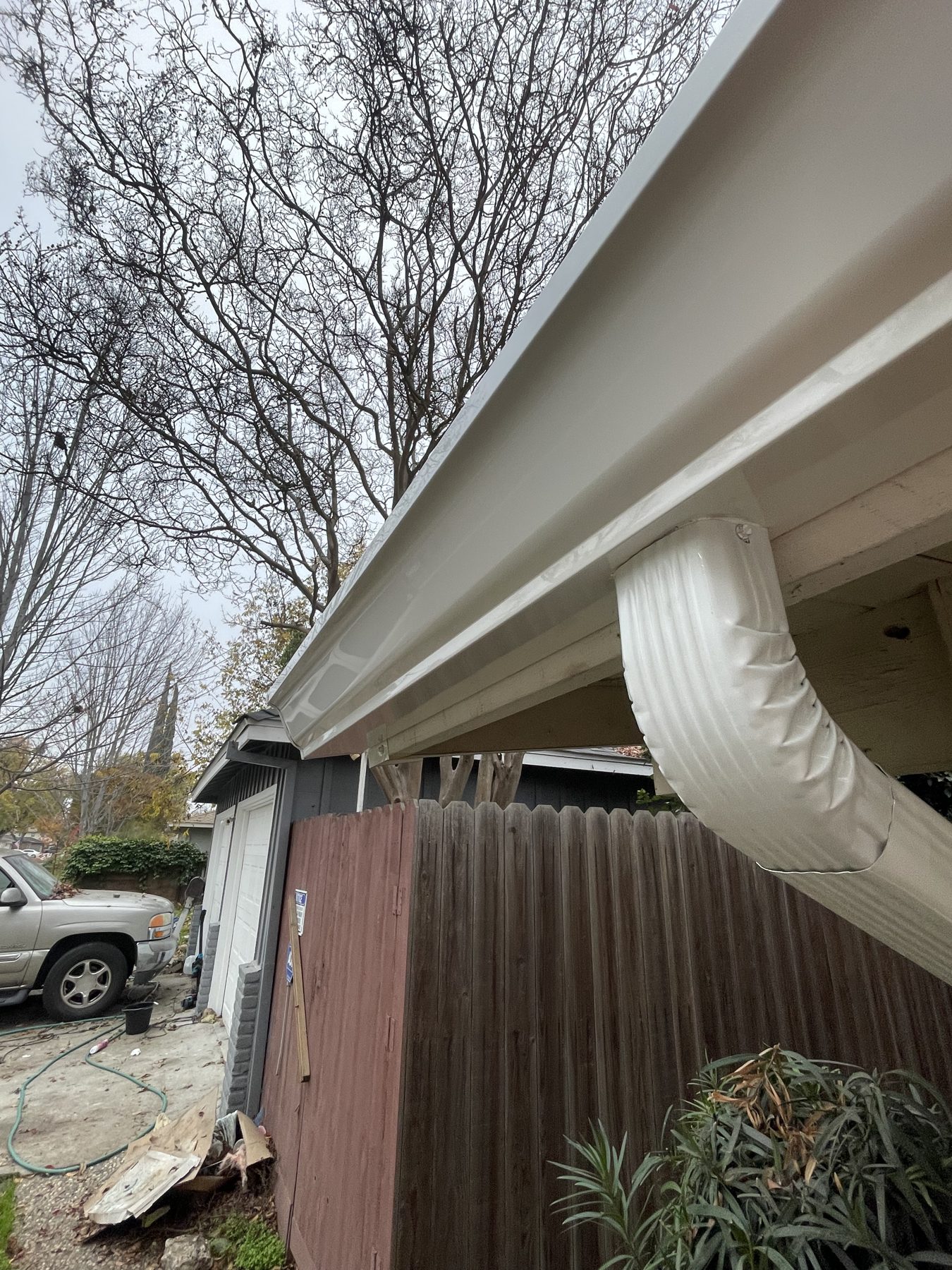
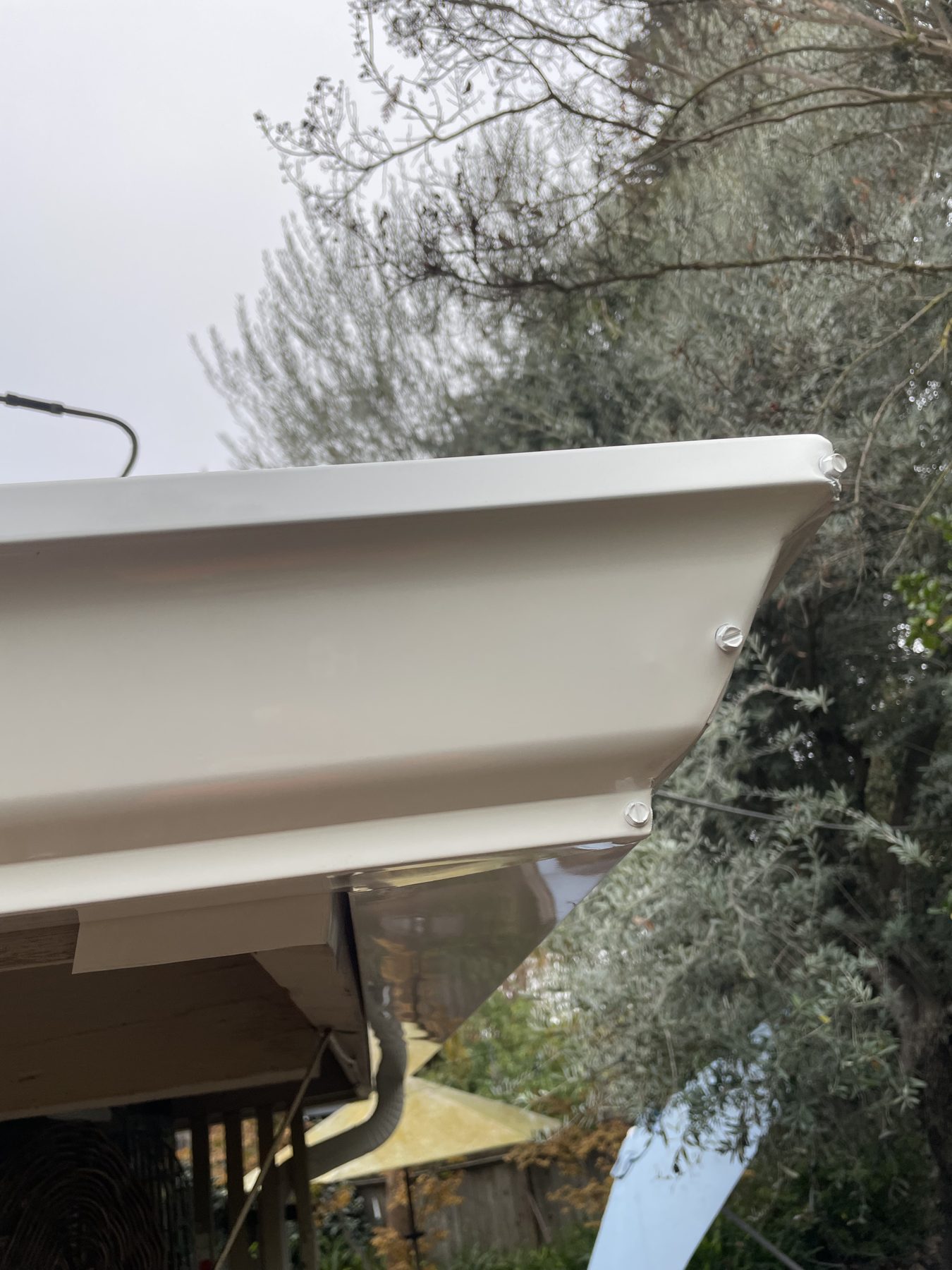
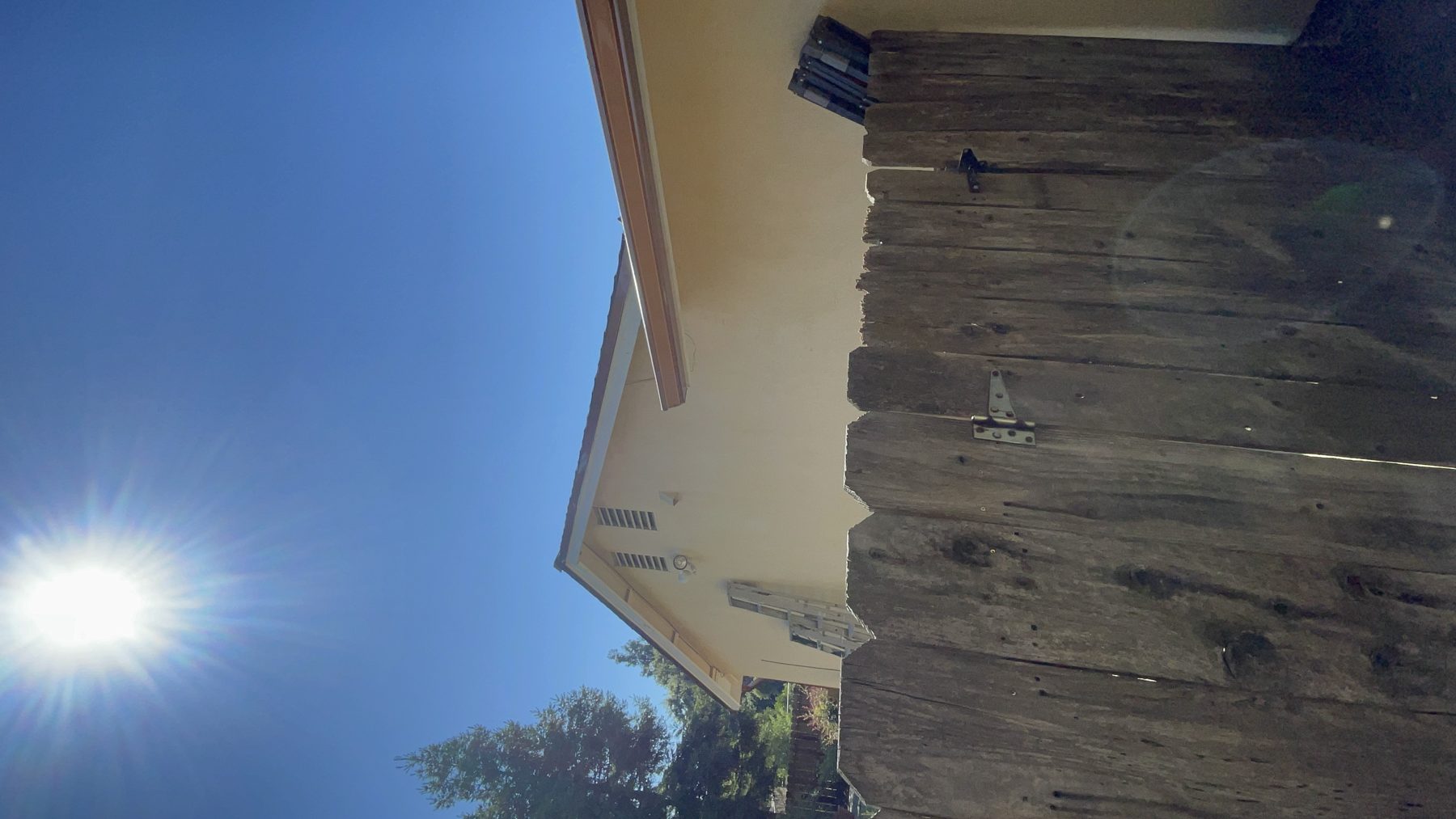
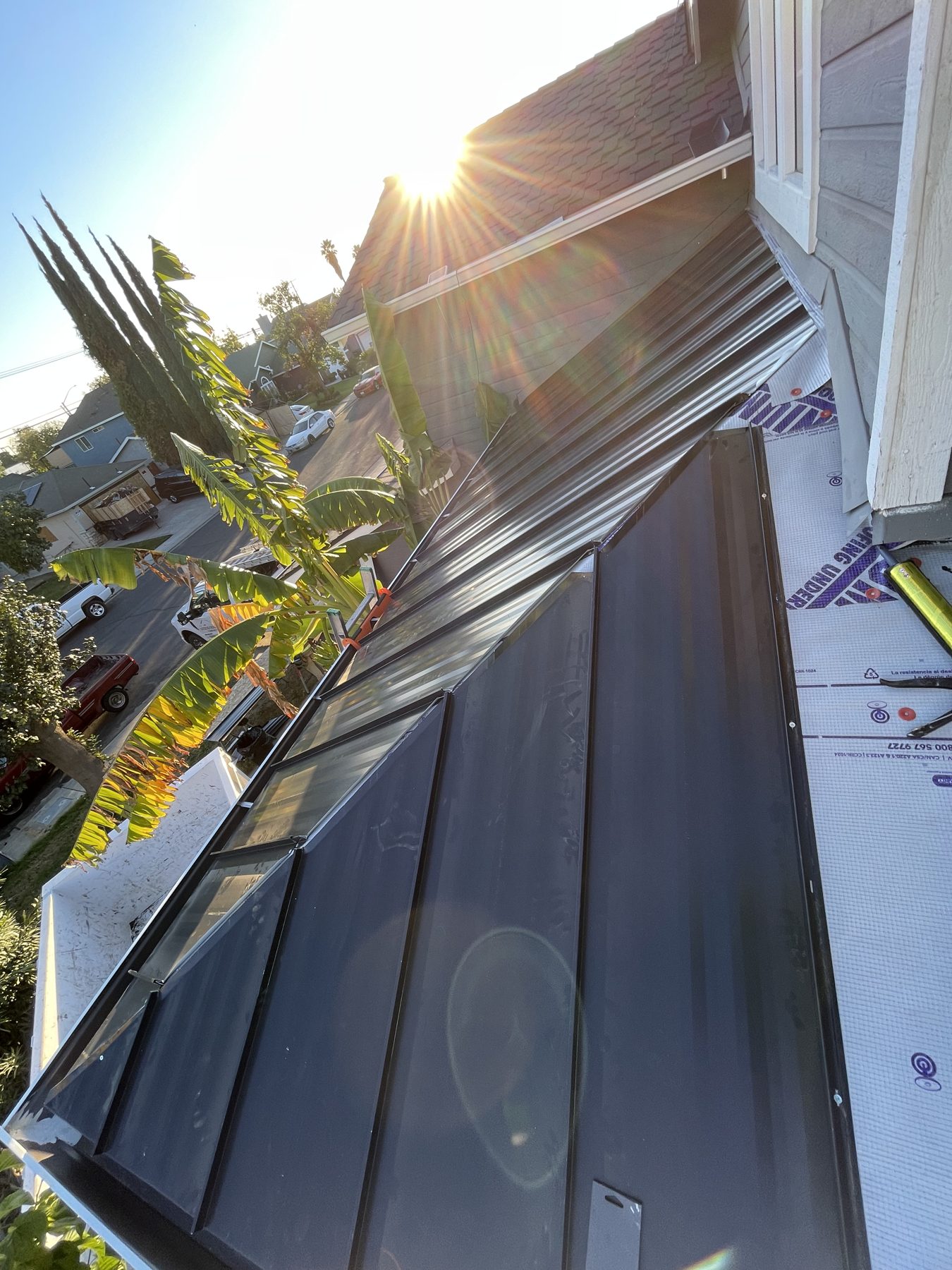
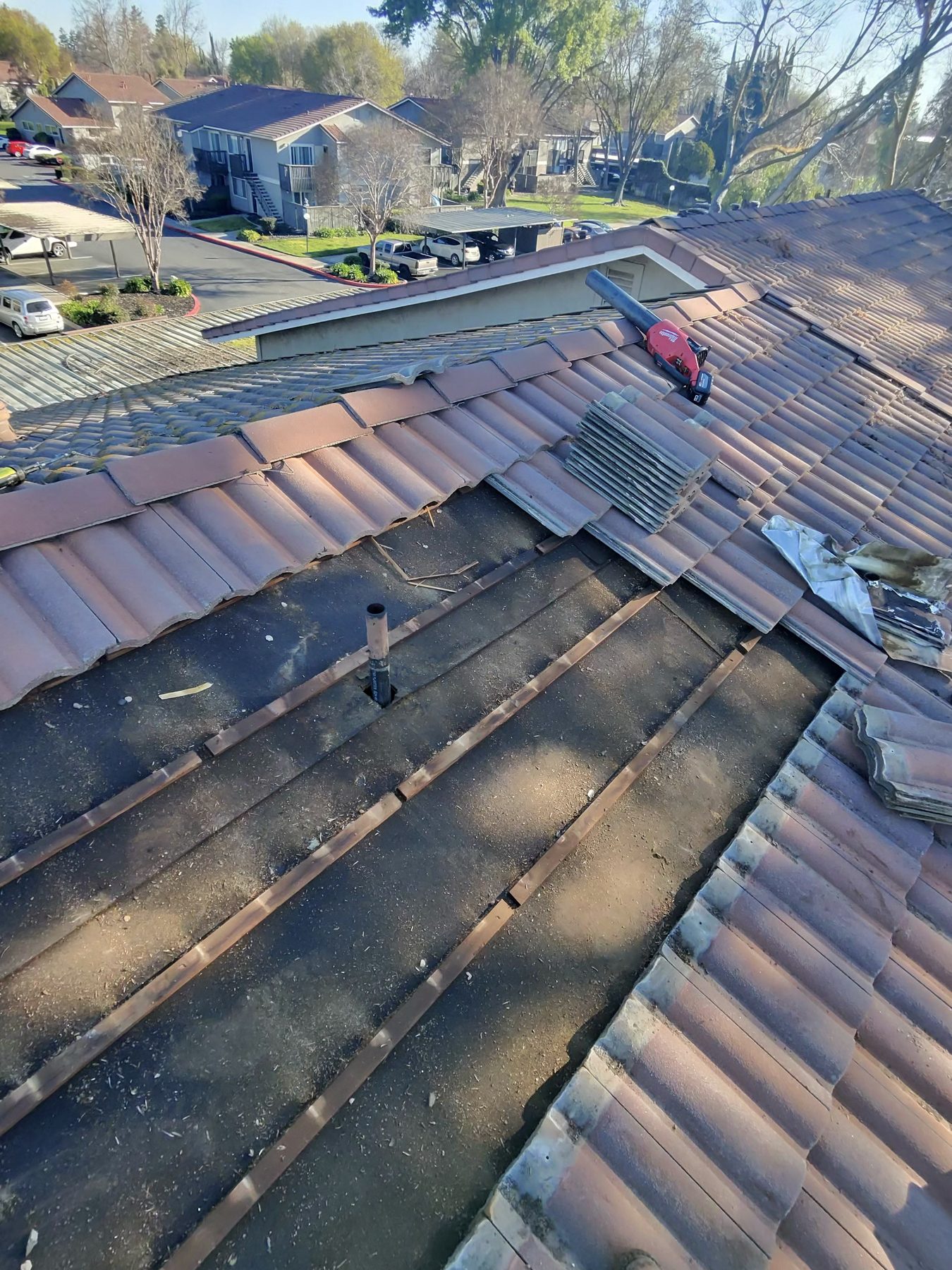
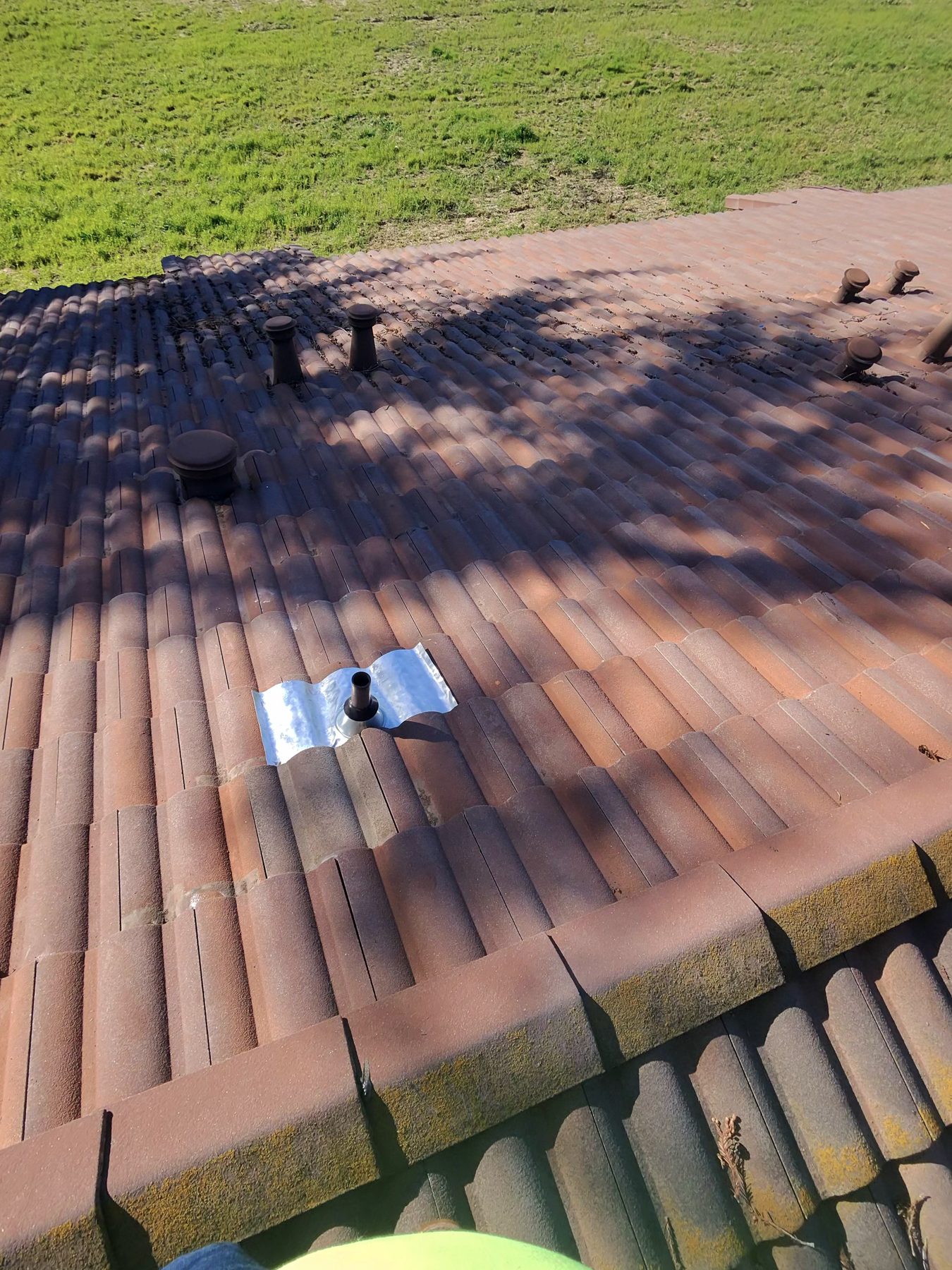
Real photos from Legend Roofing Company Inc jobs around Modesto and the Central Valley.
Pipe boots & flashing FAQ
Common questions from Modesto and Central Valley homeowners.
Why do pipe boots crack or leak after Modesto summers?
Pipe boots sit in direct Central Valley sun. Heat and UV often dry out rubber collars and the sealant at the pipe joint, so the boot can crack, shrink, or pull away. Rain later finds that gap. Age and prior “caulk-only” patches can speed the problem.
What is roof flashing, and how is it different from a pipe boot?
Flashing is the metal or membrane that directs water around roof openings and transitions — chimneys, walls, skylights, valleys, and vents. A pipe boot is the specialized collar that seals a round pipe penetration. Both are penetration details; both can fail when sealant bakes out or layers open.
Can I just add more sealant to stop a pipe-boot leak?
Extra sealant can sometimes slow a drip for a short time, but it often fails again after the next heat cycle if the rubber boot is already cracked. Replacing the boot and integrating it with the roofing layers is commonly the more durable repair when the surrounding roof is still sound.
What signs of flashing or boot failure can I see from the ground?
Look for cracked or split rubber around pipes, rust or dark streaks below metal flashings, gaps along chimney or wall flashings, and lifted shingles on the uphill side of a penetration. Inside, watch for stains near bathrooms or kitchens after rain. Avoid walking a hot asphalt roof to check.
Does a failed pipe boot mean I need a full roof replacement?
Not necessarily. Many Modesto homes need a localized boot or flashing repair when the rest of the roof is in decent condition. Multiple failed penetrations, soft decking, or leaks in several areas can suggest broader aging — that is a judgment call based on what the roof shows, not a rule.
Who should I contact in Modesto for pipe-boot or flashing repair?
Legend Roofing Company Inc serves Modesto and the Central Valley (CSLB #1067374 · 4400 Gomes Rd). Visit legendroofingcompany.com and Get a Quick Quote to share photos or describe what you are seeing around pipes, chimneys, and vents.
How much does a roof repair cost in Modesto?
Localized repairs (pipe boot, limited flashing, a few shingles or tiles) are often a fraction of a full replacement, but price depends on roof type, access, and how far moisture traveled. Competitors sometimes quote wide ranges online; we put a written scope after looking at the roof (or clear photos) so you are not guessing from a blog number. Call (669) 294-1760 or use Get a Quick Quote.
Does attic heat make Modesto roof repairs fail faster?
Heat ages boots and sealant from above and can “oven” the deck from below when attic airflow is weak. Repair the penetration; also ask whether intake/exhaust balance belongs in the same conversation — see attic ventilation. Not every leak means a full tear-off; when the field is aging together, compare roof replacement in Modesto.
Preguntas frecuentes (ES)
Misma página — respuestas en español.
¿Por qué se agrietan o filtran las botas de tubería después de los veranos en Modesto?
Las botas de tubería están expuestas al sol directo del Valle Central. El calor y la radiación UV a menudo resecan el caucho y el sellador en la junta, de modo que la bota puede agrietarse, encogerse o separarse. Luego la lluvia encuentra esa abertura. La edad y los parches solo con sellador pueden acelerar el problema.
¿Qué es el flashado (flashing) del techo y en qué se diferencia de una bota de tubería?
El flashado es el metal o membrana que dirige el agua alrededor de aberturas y transiciones — chimeneas, muros, tragaluces, valles y respiraderos. La bota de tubería es el collar especializado que sella una tubería redonda. Ambos son detalles de penetración; ambos pueden fallar cuando el sellador se “cocina” o las capas se abren.
¿Puedo solo agregar más sellador para detener una filtración en la bota?
Más sellador a veces puede frenar un goteo por poco tiempo, pero suele fallar de nuevo tras el siguiente ciclo de calor si el caucho ya está agrietado. Reemplazar la bota e integrarla con las capas del techo suele ser la reparación más duradera cuando el resto del techo aún está en buen estado.
¿Qué señales de falla del flashado o de la bota puedo ver desde el suelo?
Busque caucho agrietado o partido alrededor de tuberías, óxido o manchas oscuras bajo flashados metálicos, huecos a lo largo del flashado de chimenea o muro, y tejas levantadas del lado de arriba de una penetración. En el interior, observe manchas cerca de baños o cocinas después de la lluvia. Evite caminar sobre un techo de asfalto caliente para revisar.
¿Una bota de tubería dañada significa que necesito reemplazar todo el techo?
No necesariamente. Muchas casas en Modesto solo necesitan una reparación localizada de bota o flashado cuando el resto del techo está en condición decente. Varias penetraciones fallando, tablazón blanda o filtraciones en varias zonas pueden indicar un envejecimiento más amplio — eso se decide según lo que muestre el techo, no por una regla fija.
¿A quién contactar en Modesto para reparar botas de tubería o flashado?
Legend Roofing Company Inc atiende Modesto y el Valle Central (CSLB #1067374 · 4400 Gomes Rd). Visite legendroofingcompany.com y solicite un Get a Quick Quote (cotización rápida) para compartir fotos o describir lo que ve alrededor de tuberías, chimeneas y respiraderos.